<英文>
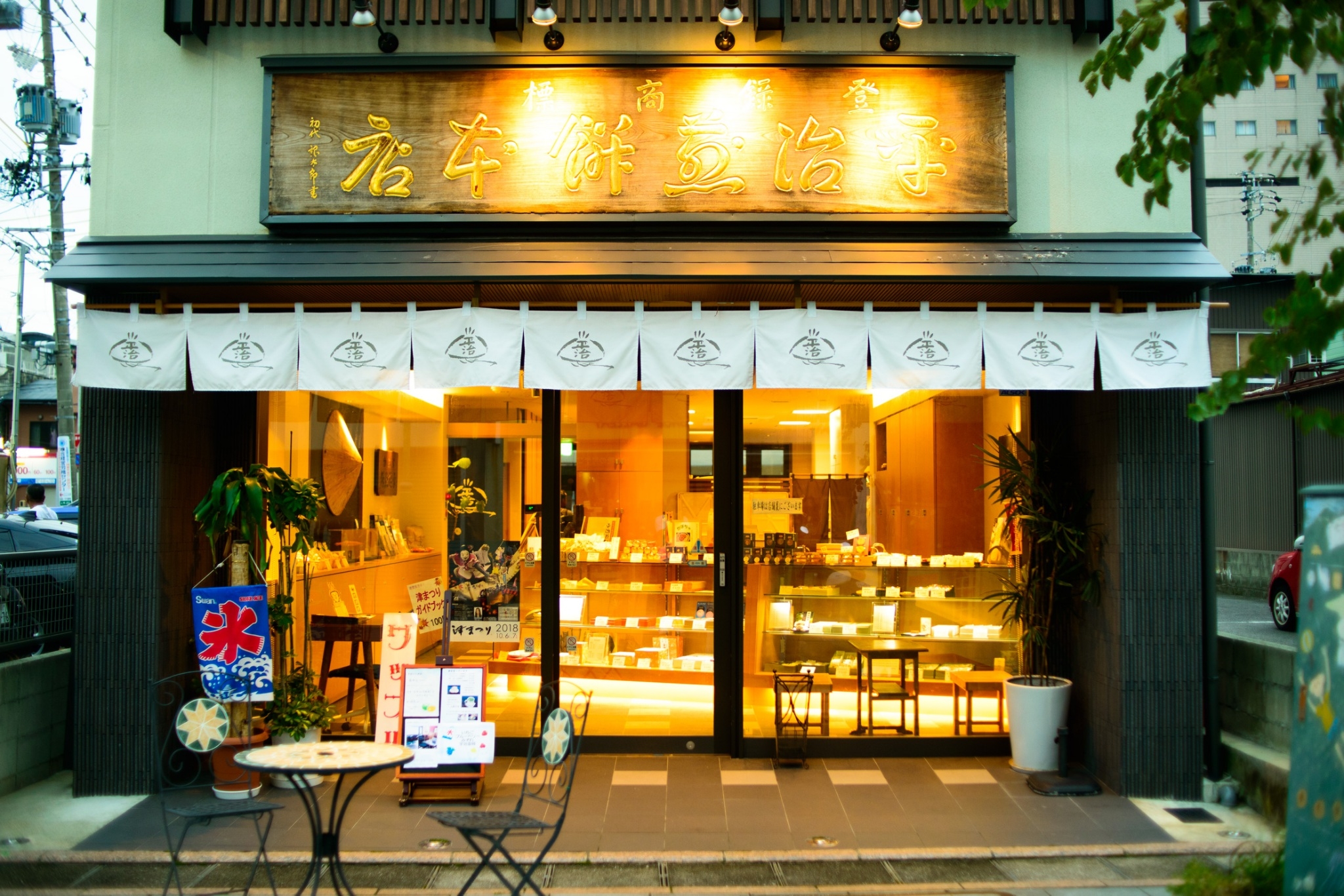
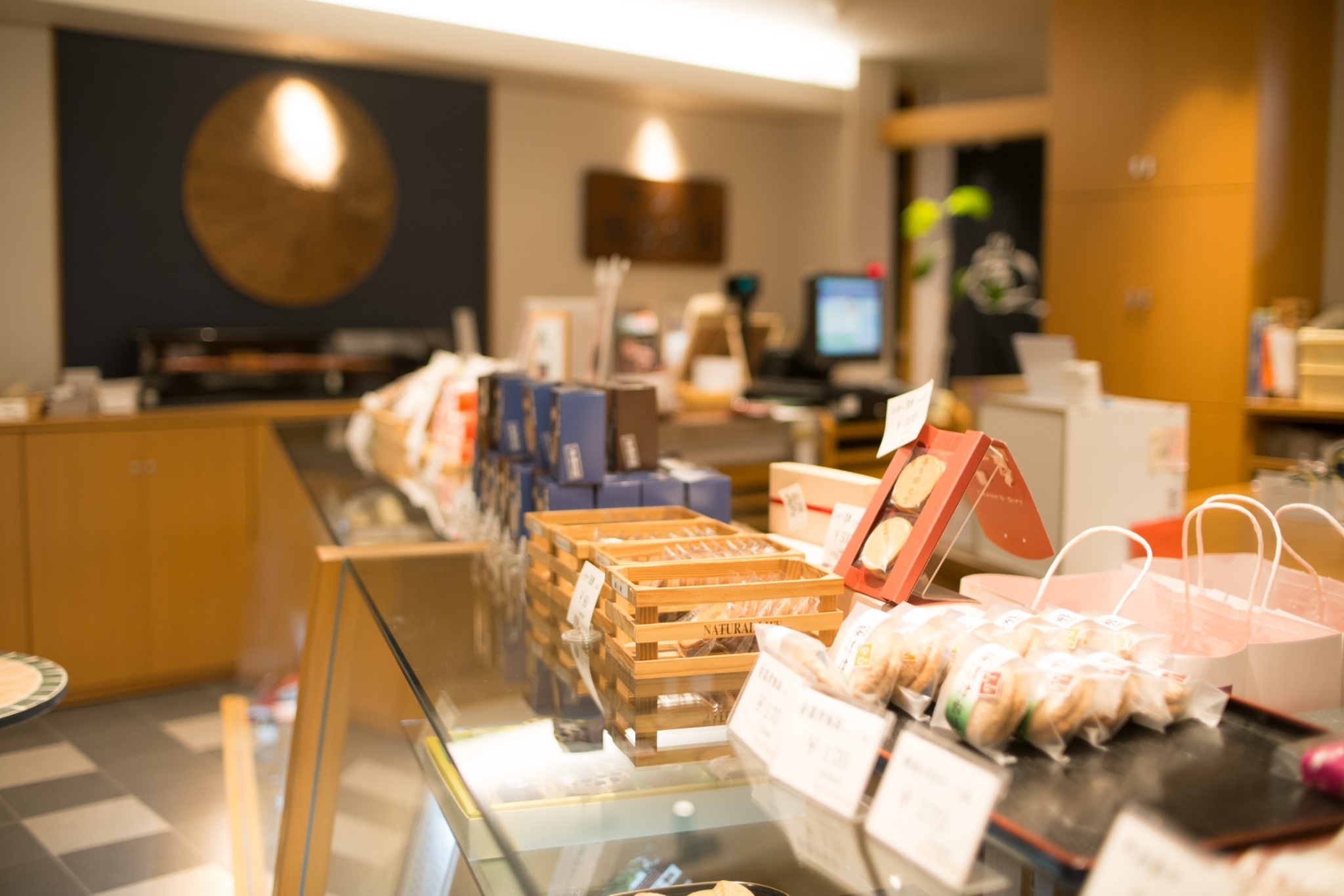
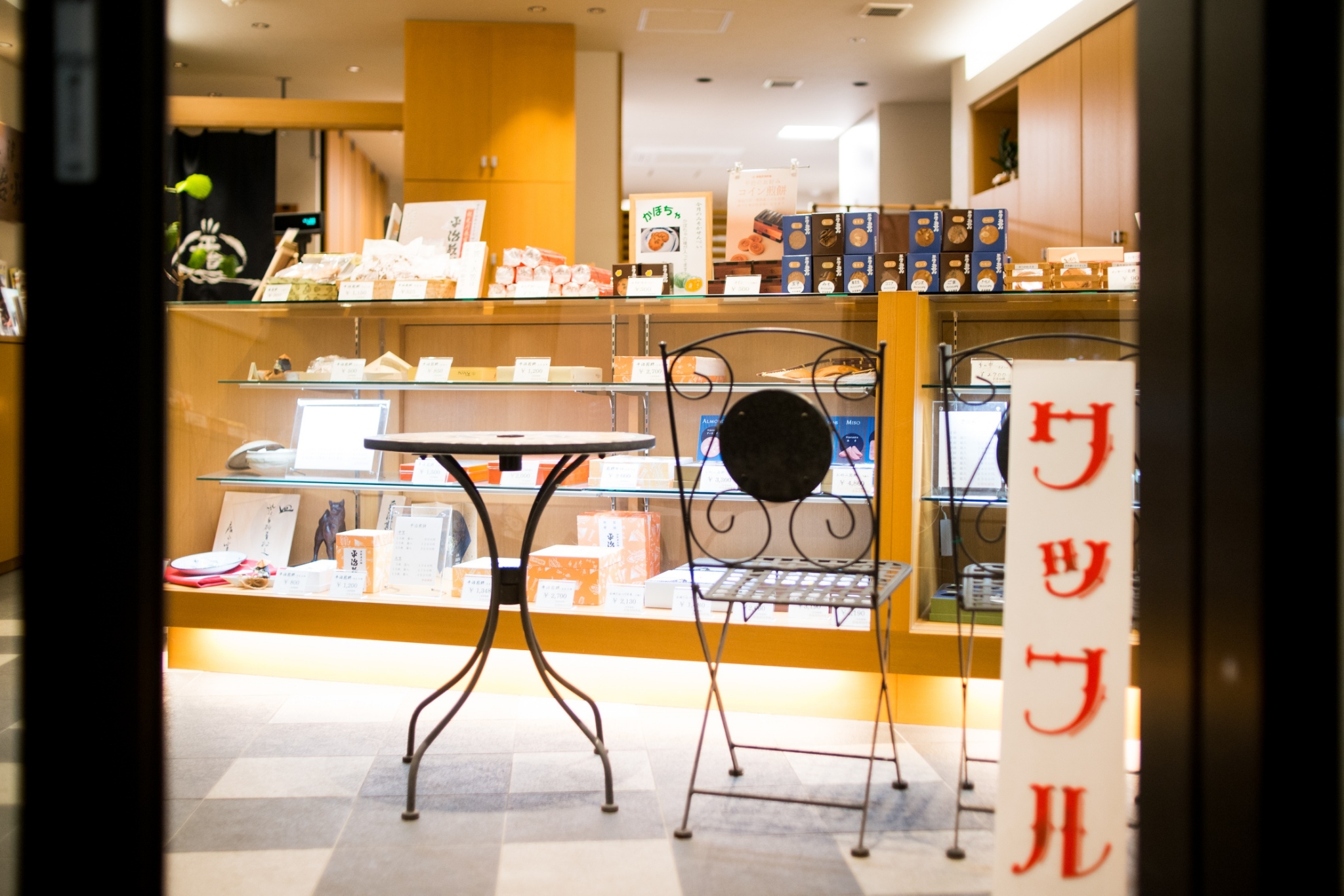
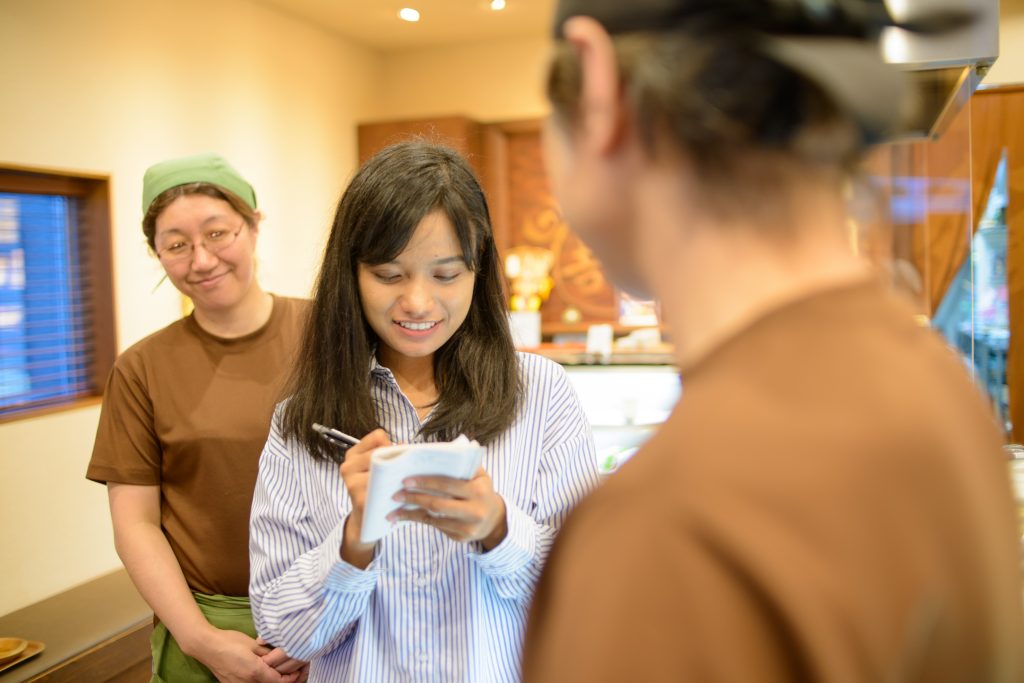
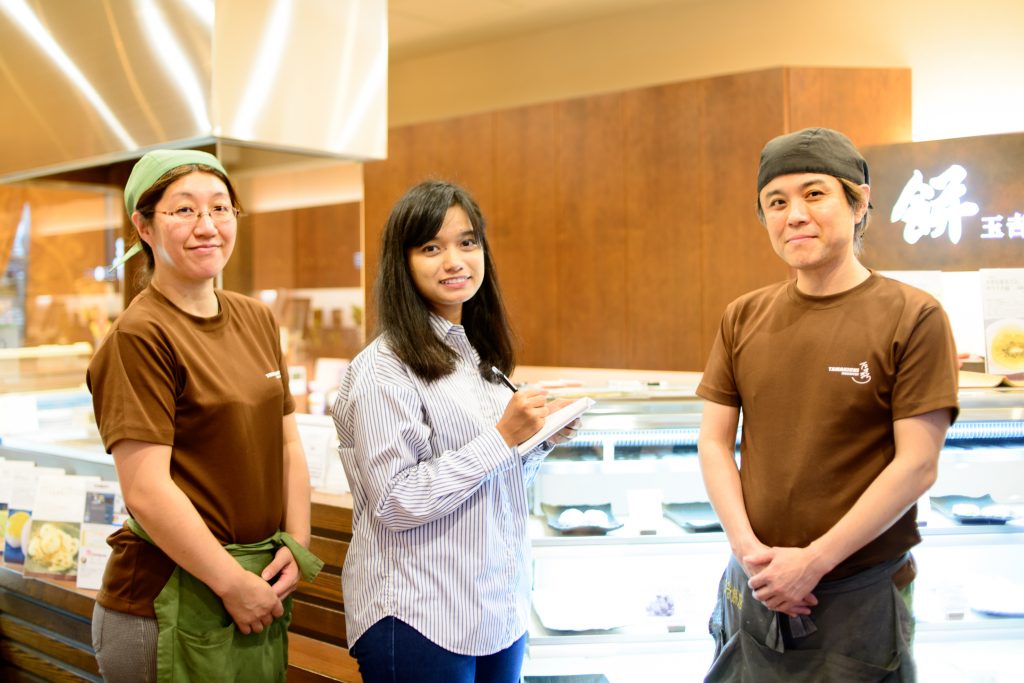
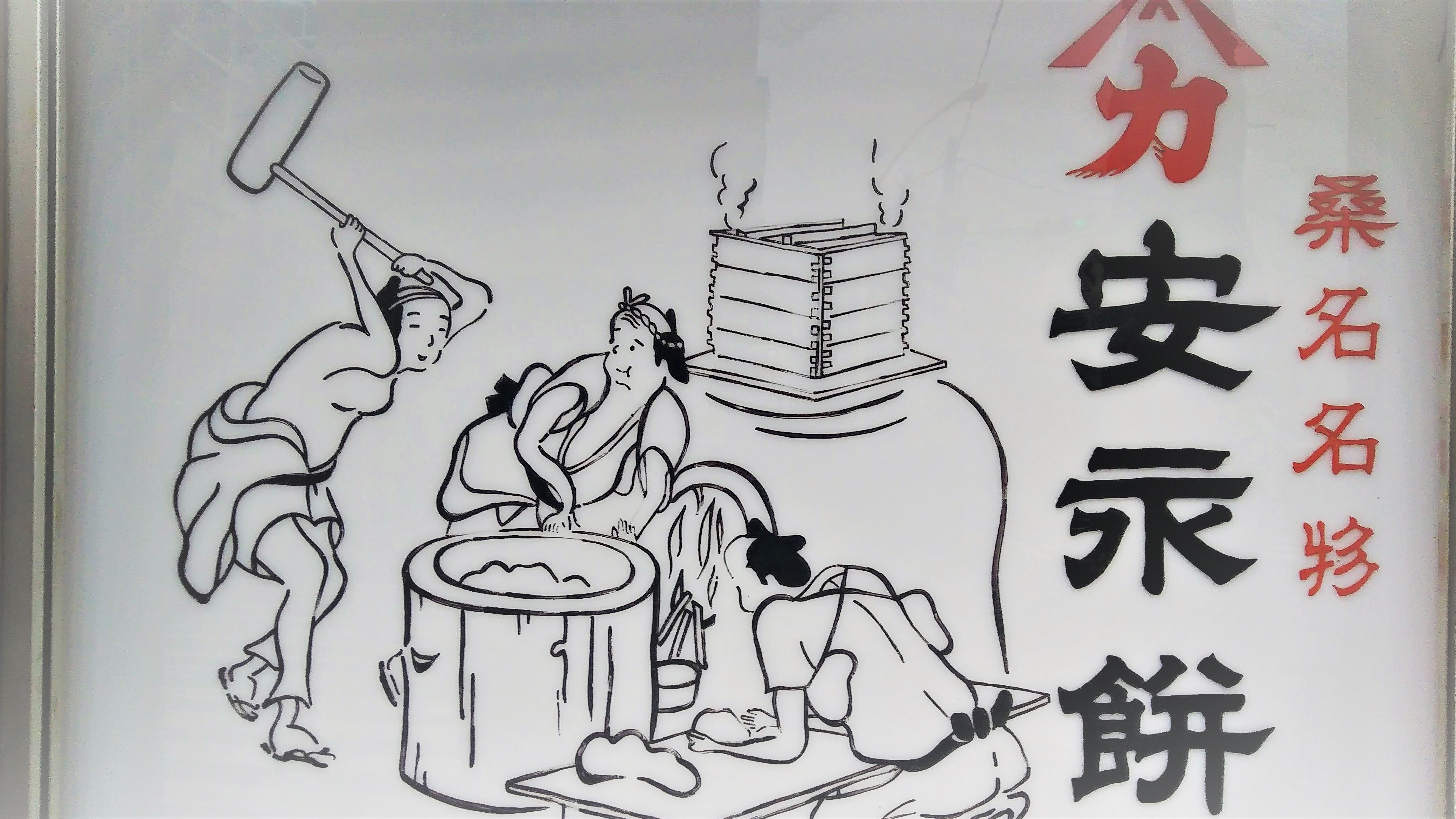
There is a legendary mochi shop in Daimon Street, Tsu City, named Tamakichi Mochiten.
This place can be reached by riding bicycle 25 minutes from Mie University.
This shop has been started since 200 years ago, in the end of Edo Period. This shop is also one of the Mie prefecture Mochikaido series, the Japanese culture of the mochi eating road. How could such an old shop still manage to be famous and maintain their loyal customers?
This is my first time visiting Tamakichi Mochiten.
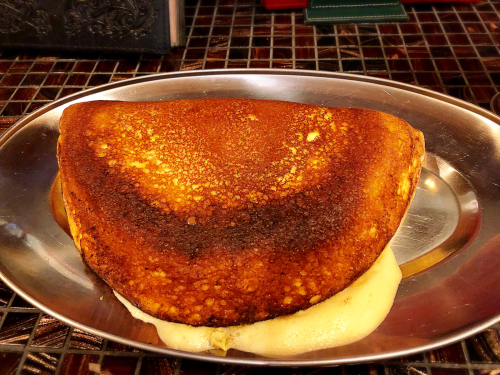
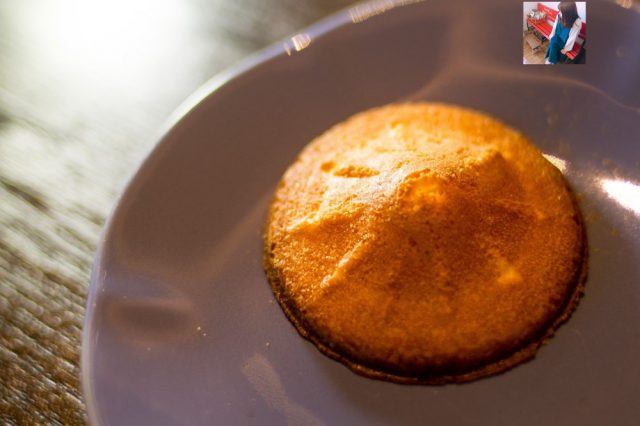
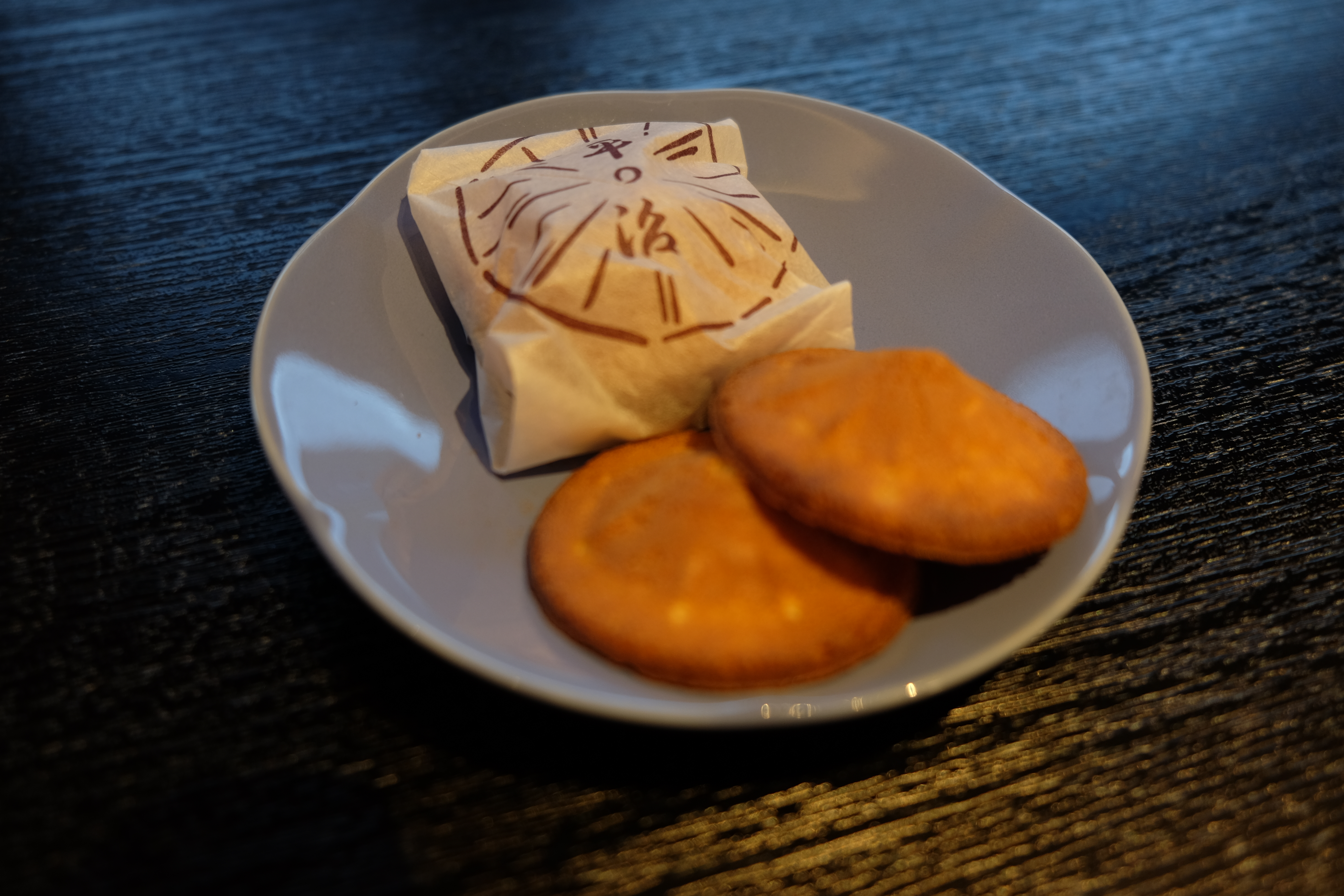
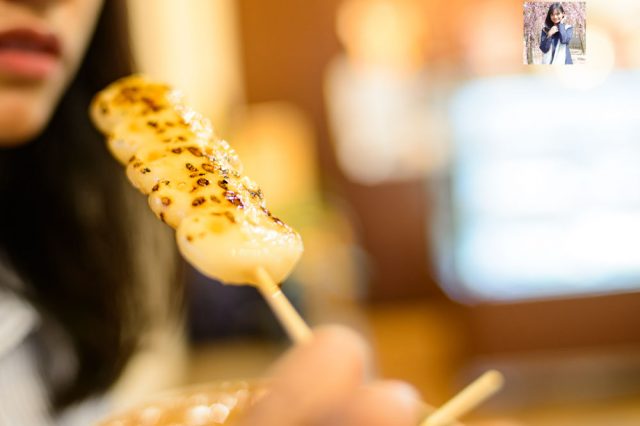
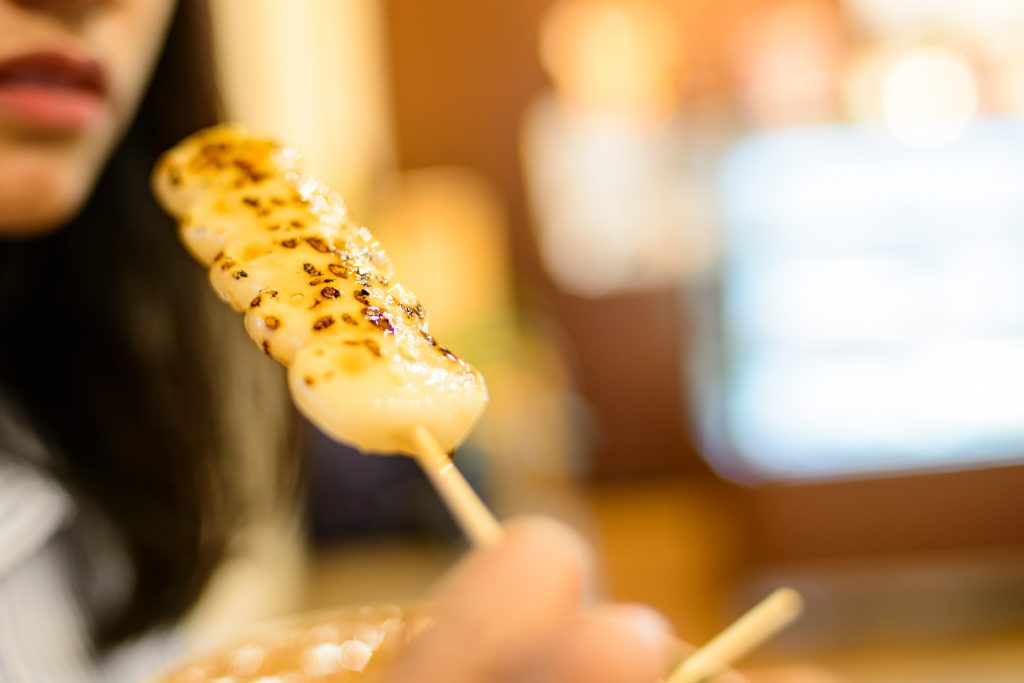
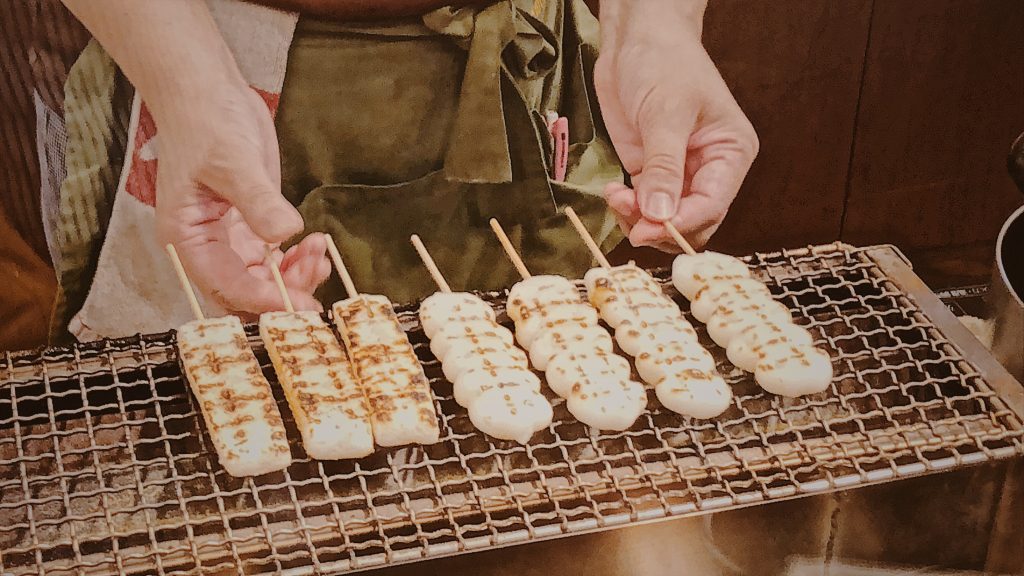
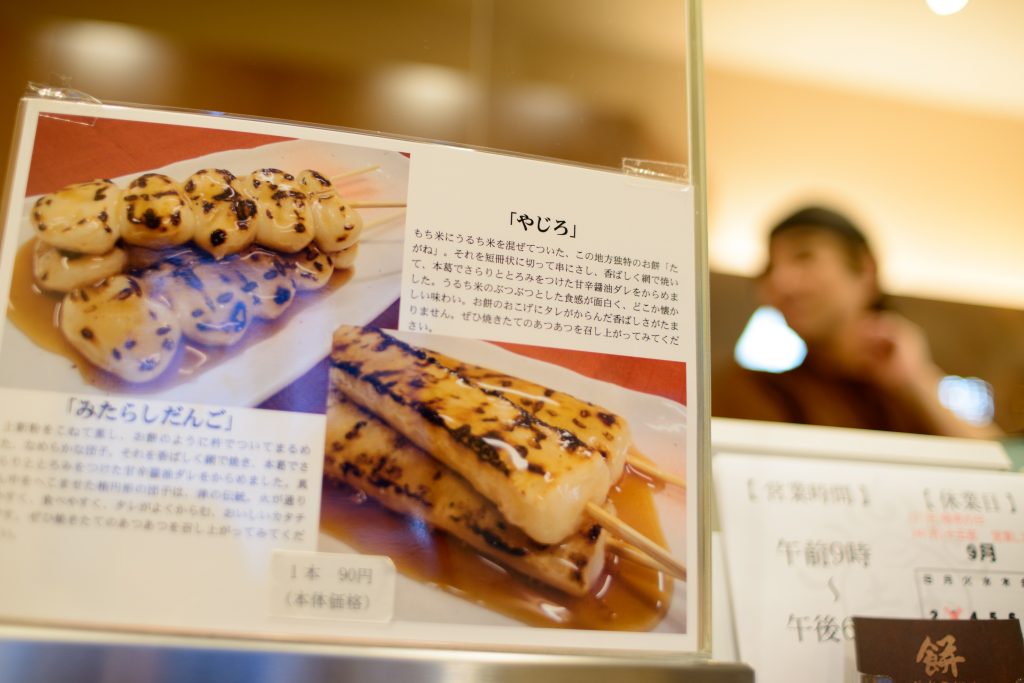
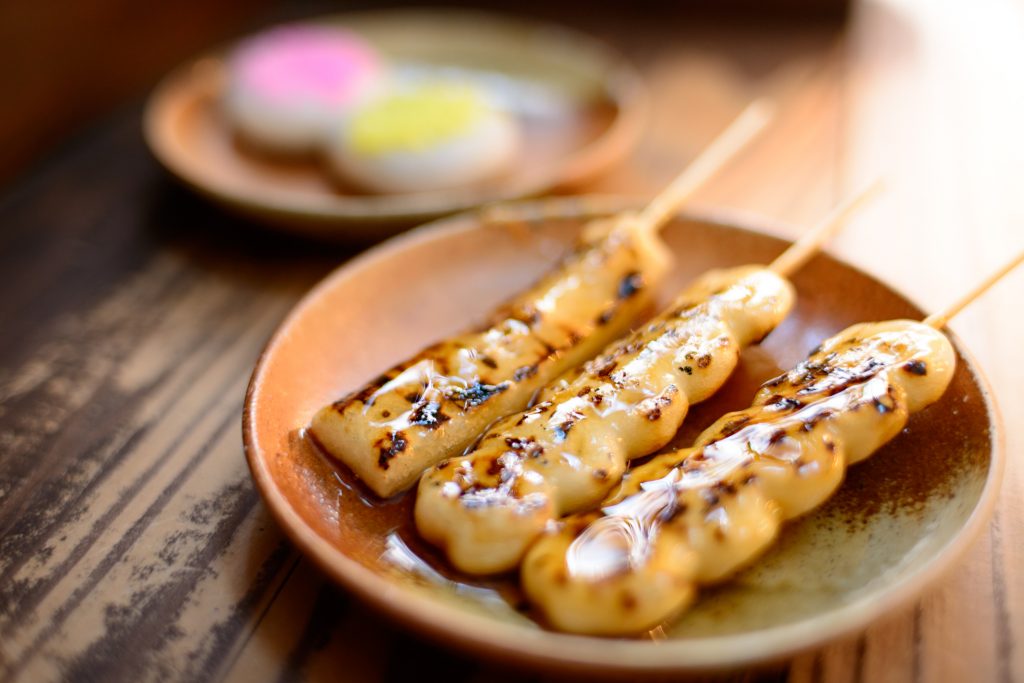
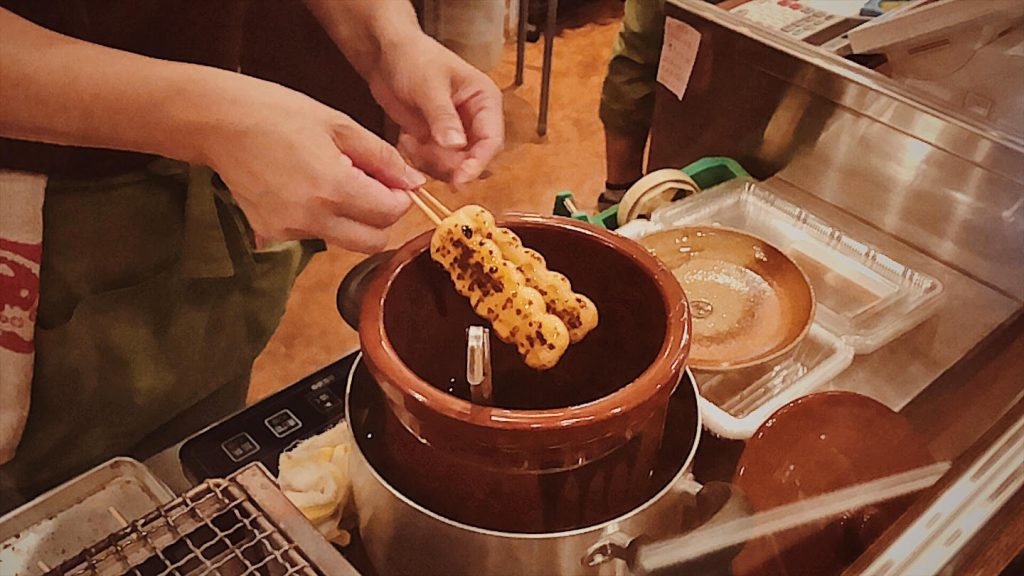
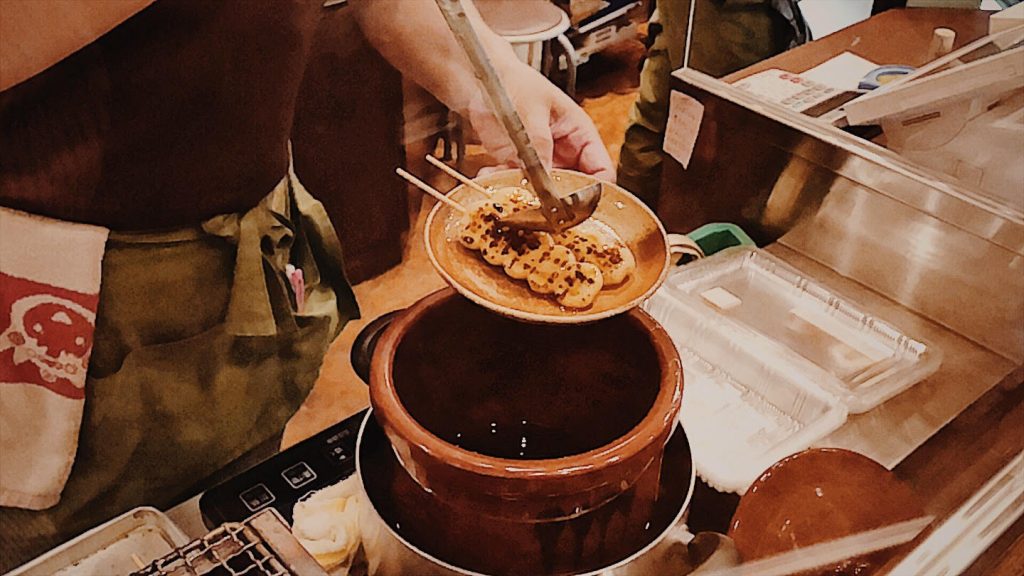
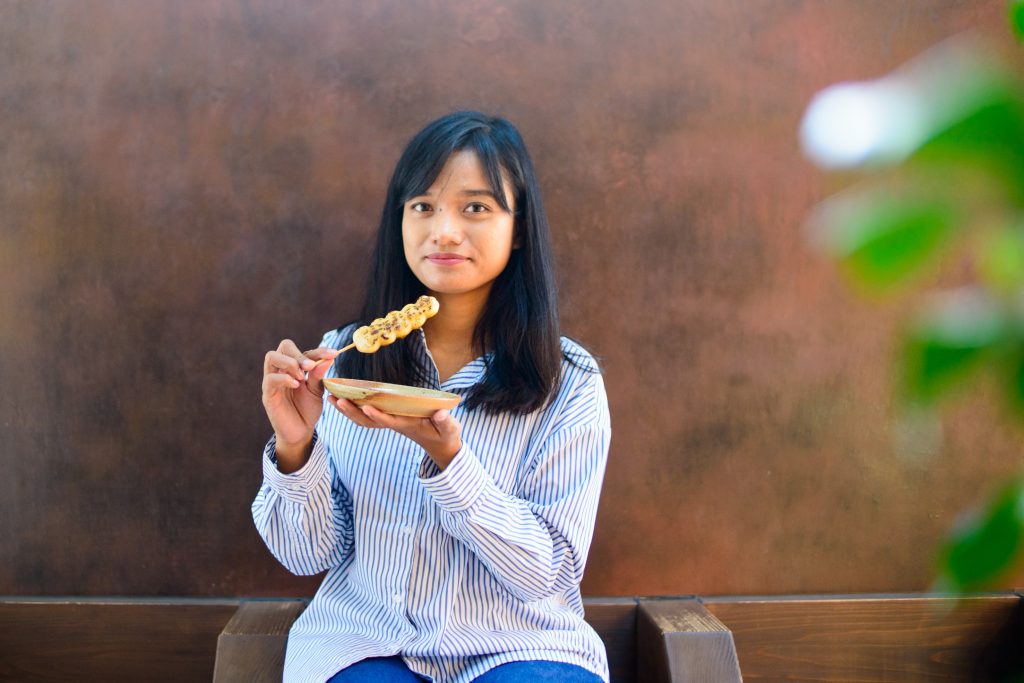
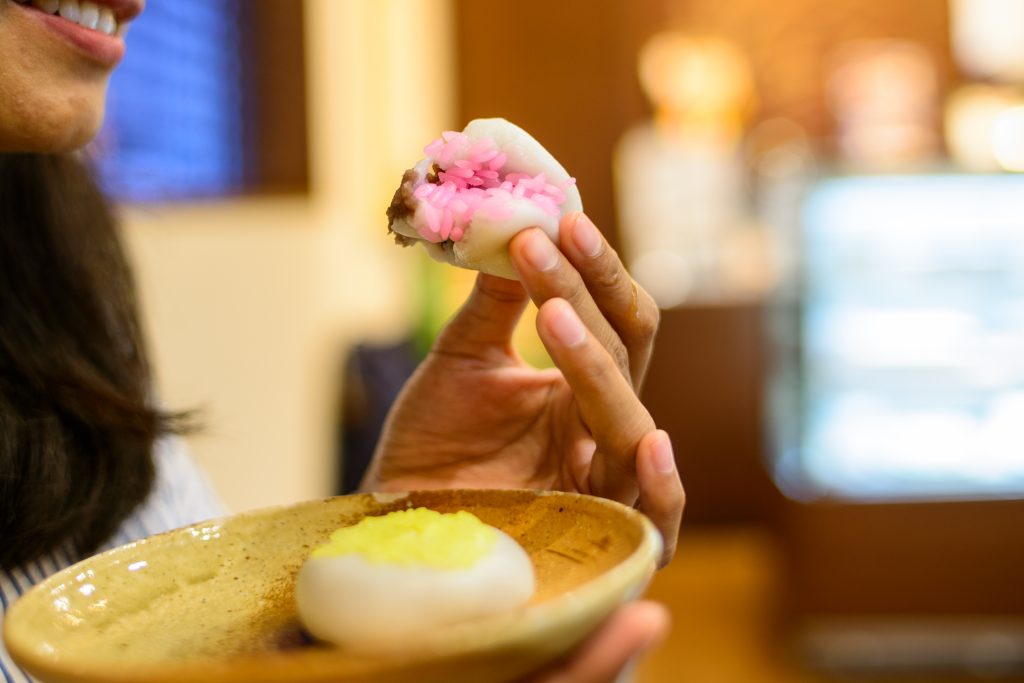
They sell several kinds of mochi and I tried the Mitarashidango 「みたらし団子」. What surprised me is the crunchy taste comes from the backed part of the mochi. That’s very new for me. Mochi that I ate is only boiled not baked. Mitarashidango mochi from Tamakichi Mochiten was served freshly by baking them in a heated net. Baking makes the mochi’s surface becomes harder and a little bit overcooked. It makes it crunchy and good followed by soft and sweet mochi inside.
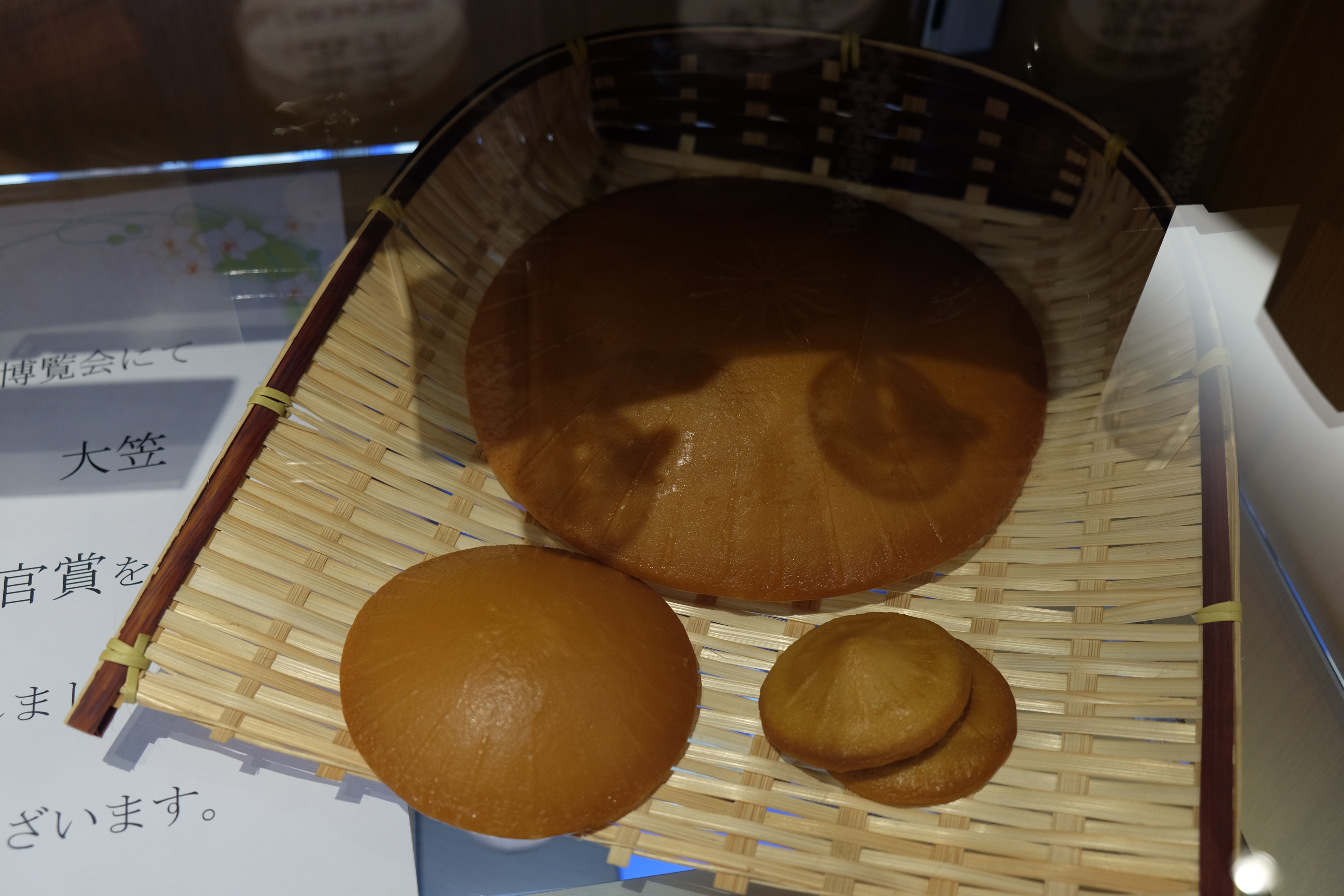
Other than Mitarashidango, there is also yaroshi 「やじろ」with a different shape from Mitarashidango. Unlike mitarashi dango, yaziro mochi is not round but square. Both mitarashidango and yaziro are flatter than usual dango. This is to make it easy to eat.
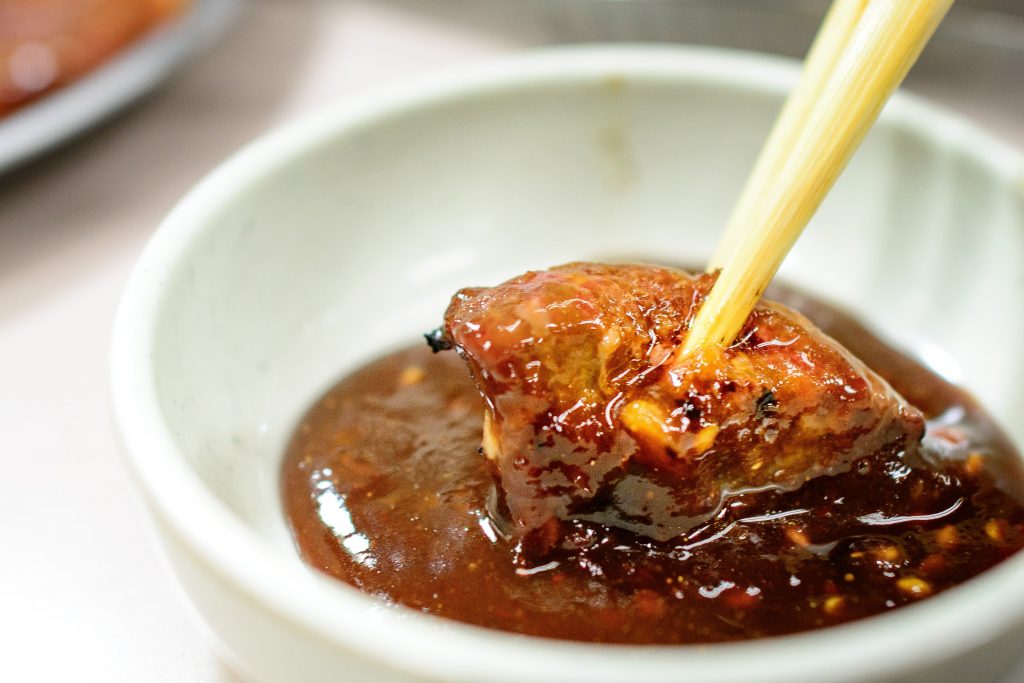
The other special thing is the sauce! It is made using original recipe by using soyu and brown sugar. The taste is so viscous to the mochi because the mochi was lubricated twice with the sauce. First is by dipping the mochi to the sauce and the second is by smearing the mochi from above.
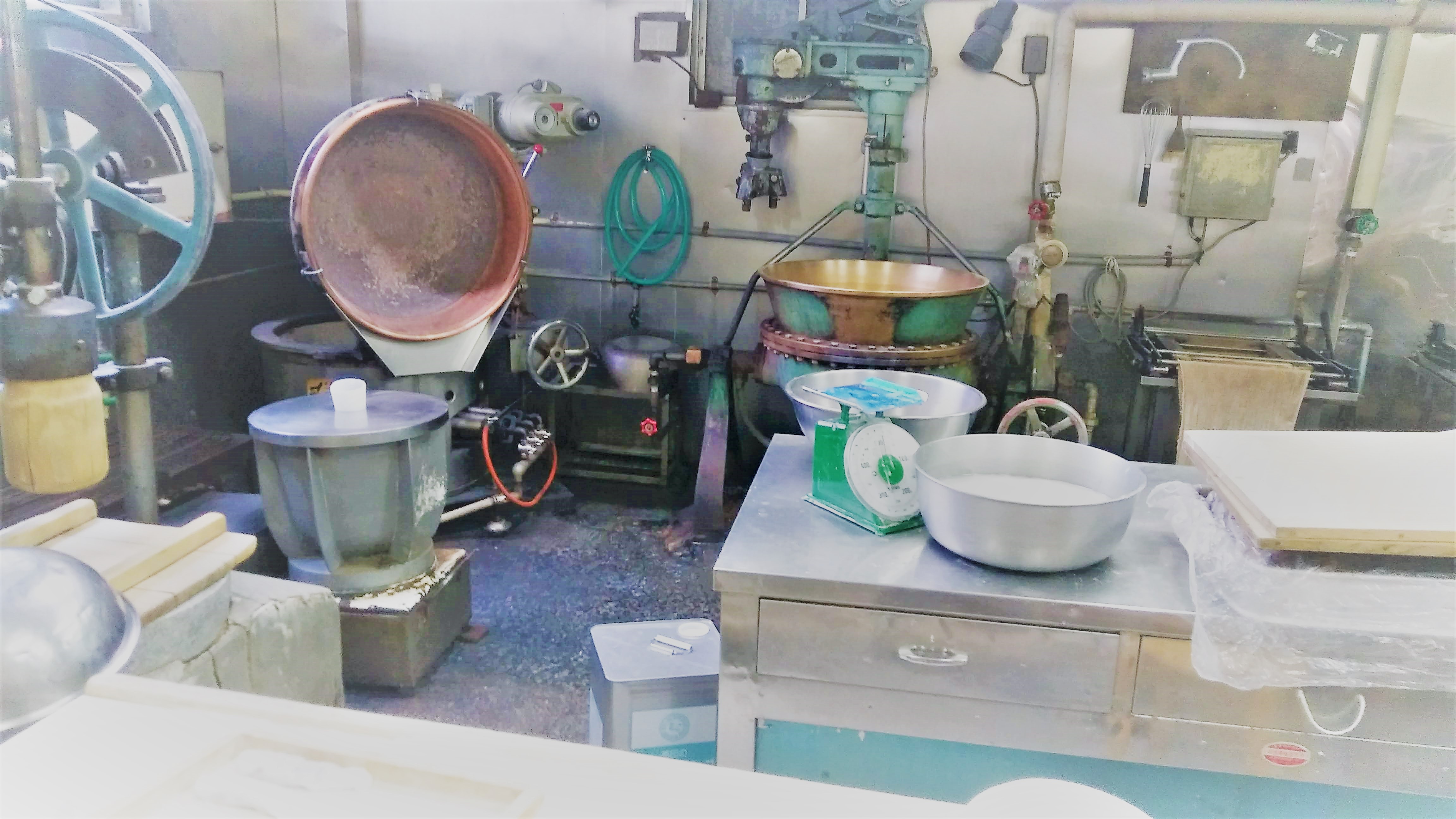
Mochi in Tamakichi Mochiten is best when it’s fresh or newly cooked. Making mochi in this place is using Kudzu from the root of a tree. The sweet sauce attached with the glutinous mochi when it was heated makes a black ticked tasty surface. It makes this mochi is really good right after it’s cooked. The shop gives us space to enjoy this taste inside. We can relax for a while. This style of eating is called Yakitate 「焼きたて」。
It is really good to eat mochi here after eating or walk around Daimon Street. We usually need sweets after eating, right? Of course we can bring home as well.
I myself really enjoy mochi, this one kind of Japanese sweets.
In Indonesia, mochi is also popular. I think not only Indonesia, but other rice-culture countries also love mochi and we have the same type of rice cake. However Japanese mochi has been eaten in Indonesia. We follow the development of mochi variety. The mochi in Indonesia can also have several kinds of fill, like red bean, green bean, coconuts, etc. We have ice cream mochi too! And Indonesia people really like Mochi. The thing is, we don’t have backed mocha like what I just ate in Tamakichi Mochiten!
The burned sensation is really new and I like it so much! I have told my friends about this kind of Mochi and they really want to try. This kind of mochi we can’t usually find in the supermarket.
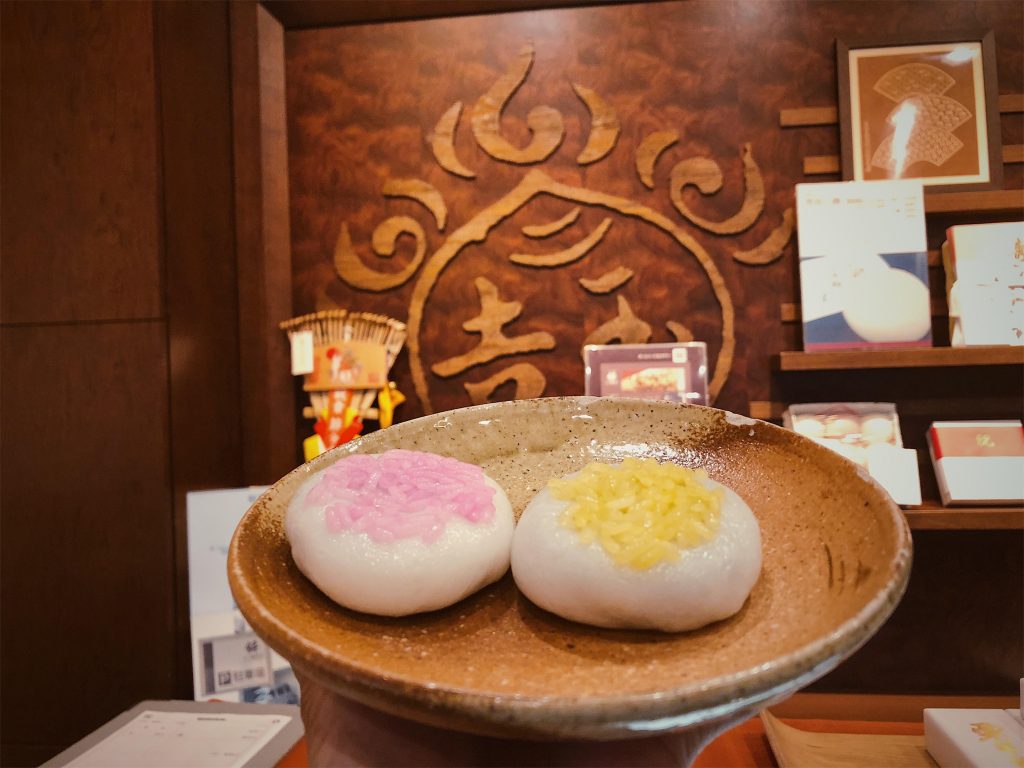
Another famous sweets from Tamakichi Mochiten is Keiran. Keiran is known as the sweets from Tsu City.
It looks cute and colorful and Keiran tastes so good. I like the rice inside the mochi. In Tamakichi Mochiten, mochi was made using the rice and the water from the land of Mie prefecture. This made the mochi as one of the pride of the local people.
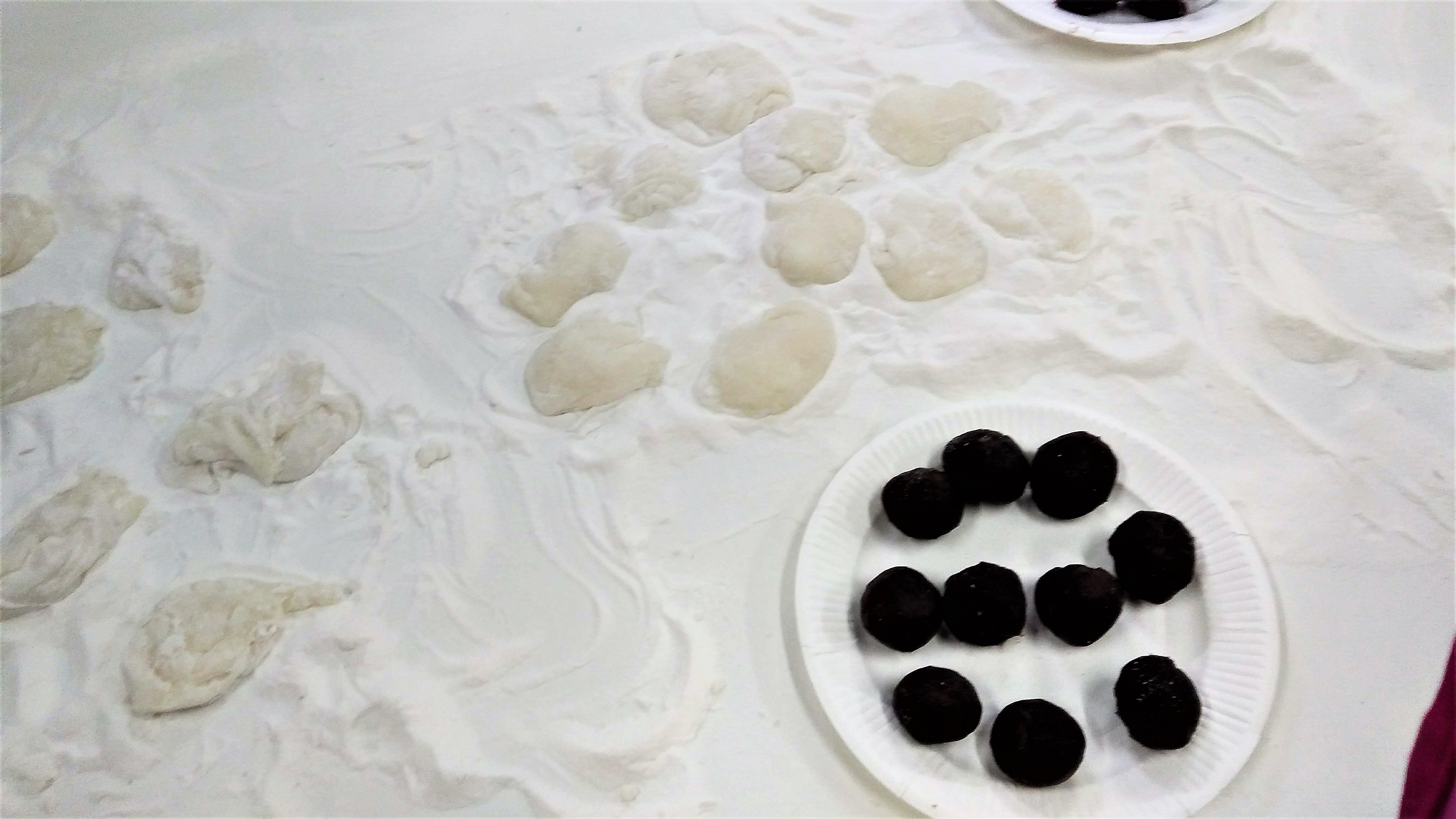
Tamakichi Mochiten has a lot of customer coming every day. They usally prepare 1000 mochi every day and always sold out. The autumn season is the best season to sell mochi related to the good new harvested ingredients and I think people also like eating sweets when it’s getting a little bit colder. Moreover, Tamakichi Mochiten also serves Daifuku mocha stuffed with sweet filling that changes in every season, like grapes in autumn, sakura in spring, and peach or watermelon in summer. It changes depends on the best harvest in that year. That’s really interesting.
<英文>
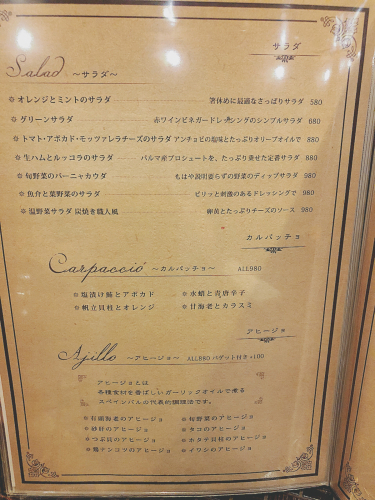
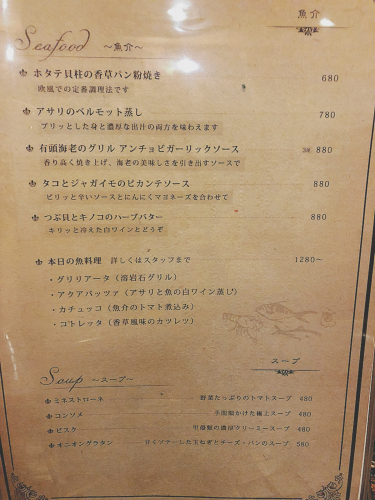
San Marco: a new taste of Spaghetti sauce you won’t forget.
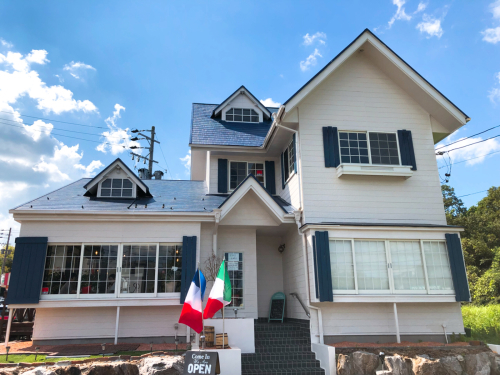
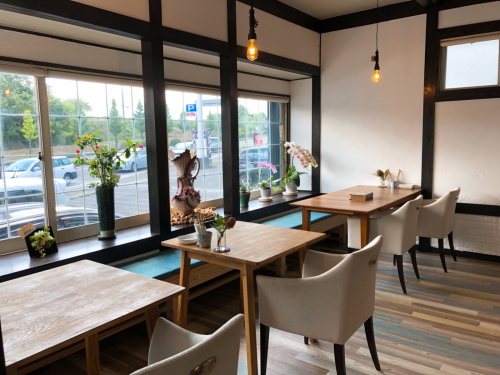
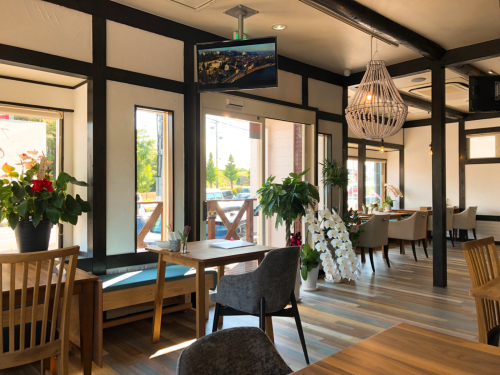
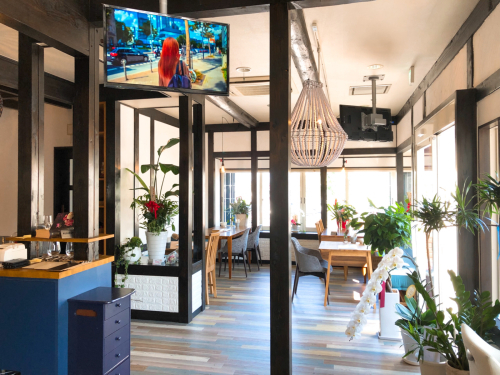
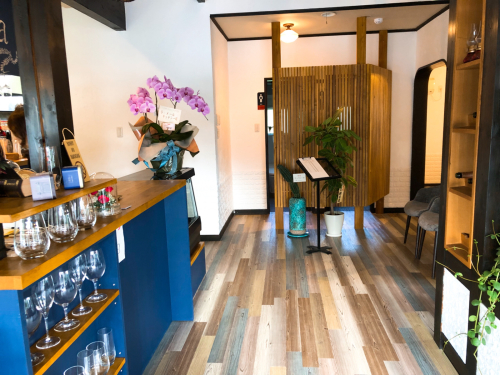
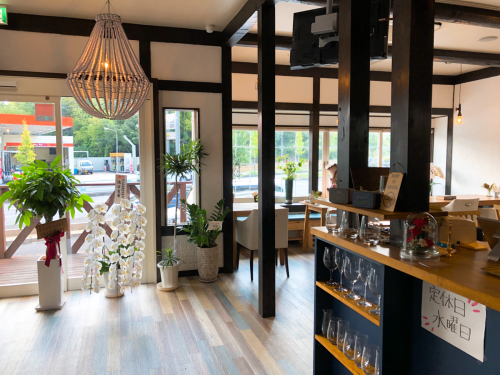
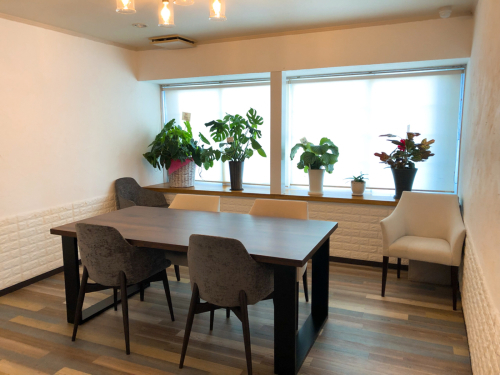
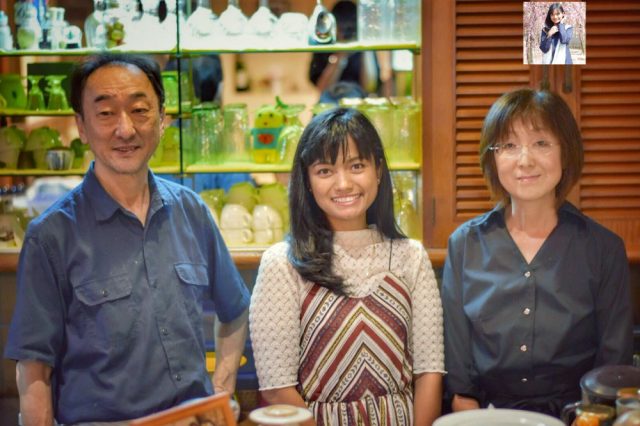
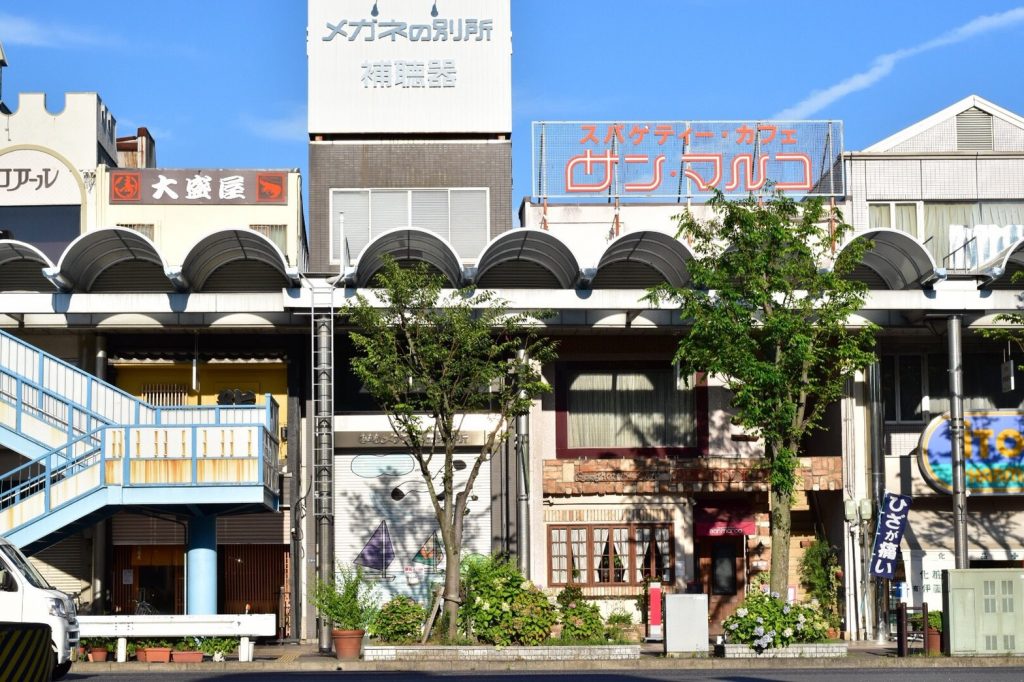
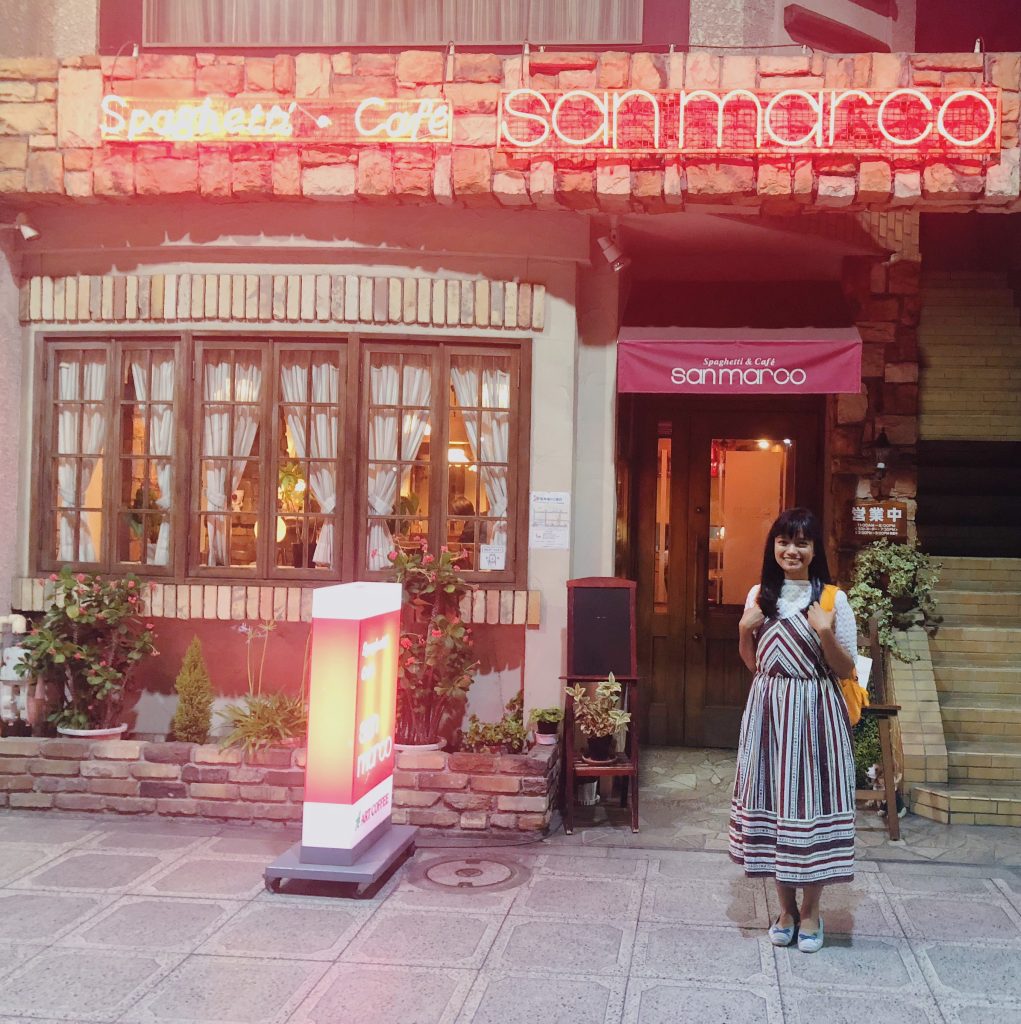
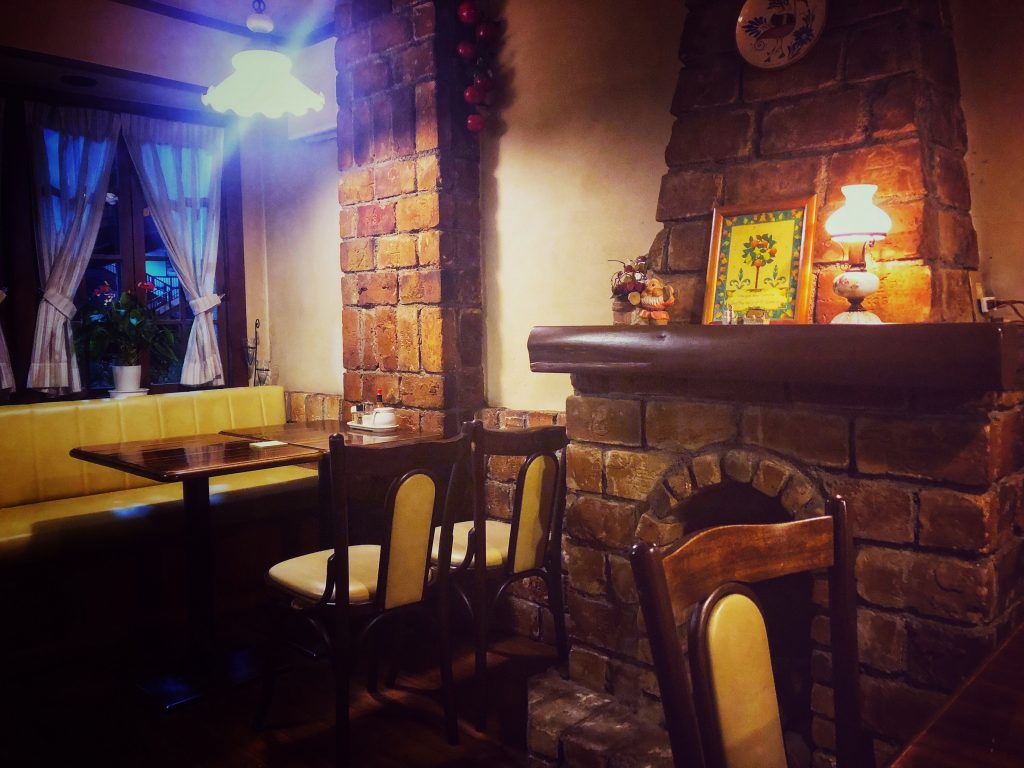
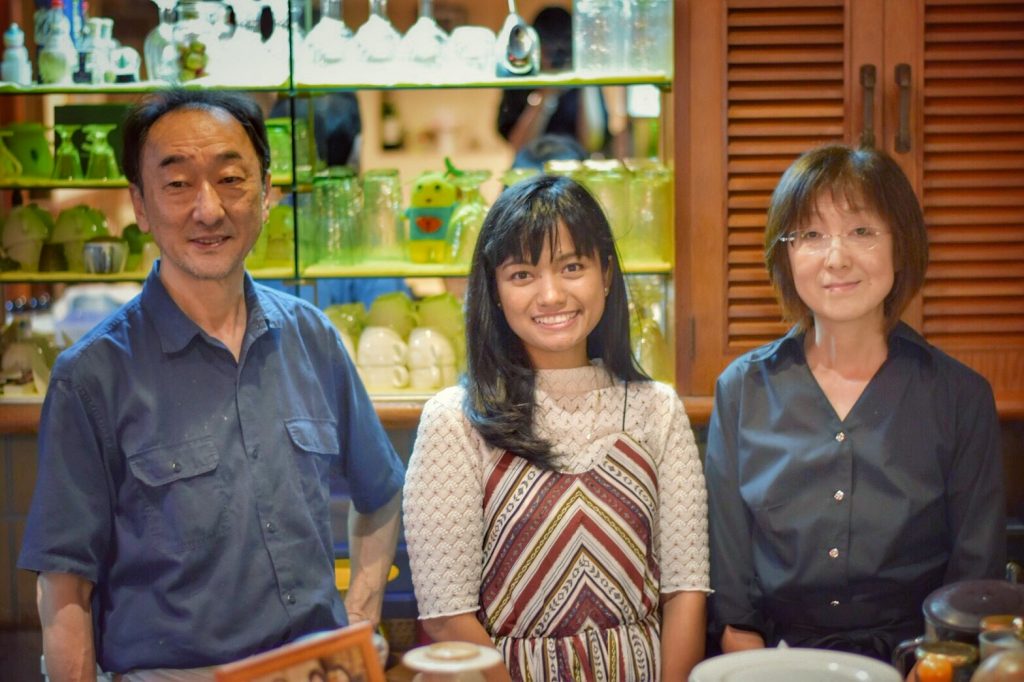
Near Matsubishi Department Store in Tsu City, Mie Prefecture,There is a restaurant called San Marco. I visited San Marco for the first time. The place can be reach by around 25 minutes from Mie University by bycicle. The restaurant feels so fancy and comfortable. I think young people would like this place and this restaurant is also good for family time.
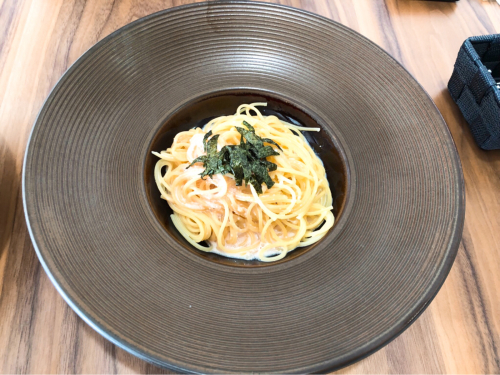
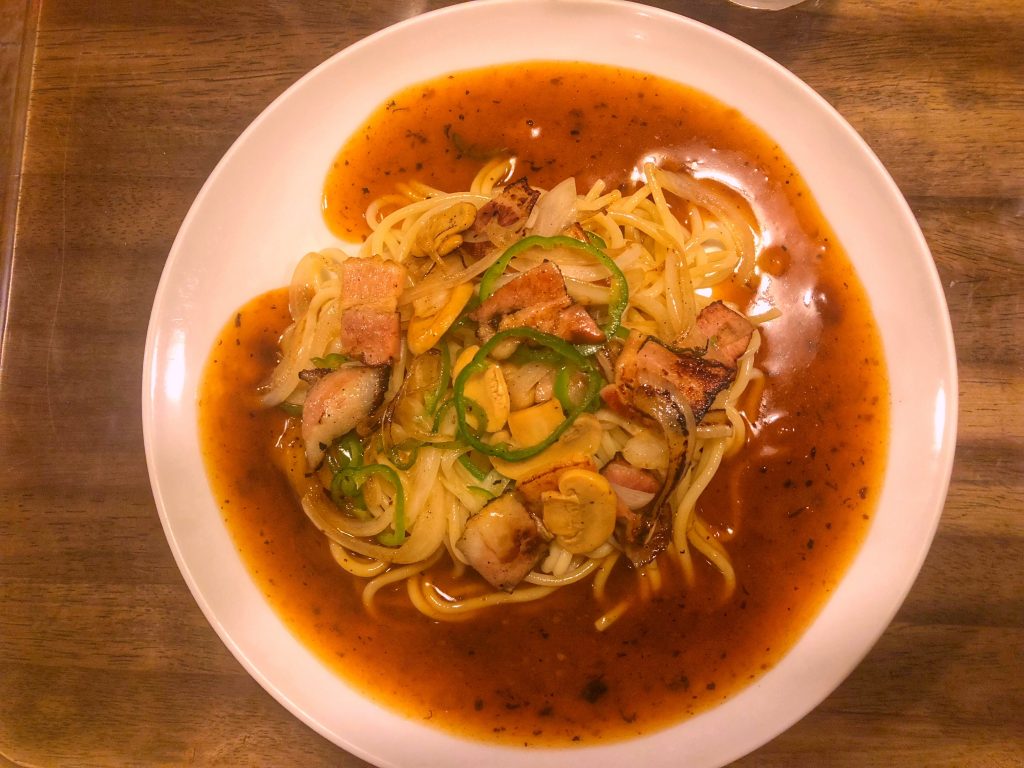
Ankake Spaghetti is the special menu in San Marco. I didn’t know anything before about ankake spaghetti. This dish is well known from Nagoya. In 1960 Ankake Spaghetti has been trending in Nagoya then the chef and owner of San Marco, Mr. Kuroda, learnt how to make ankake spaghetti in Nagoya before he started his own restaurant in Tsu City. San Marco has been served Ankake Spaghetti since 37 years ago.
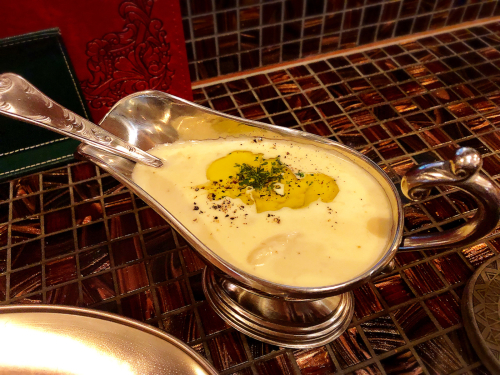
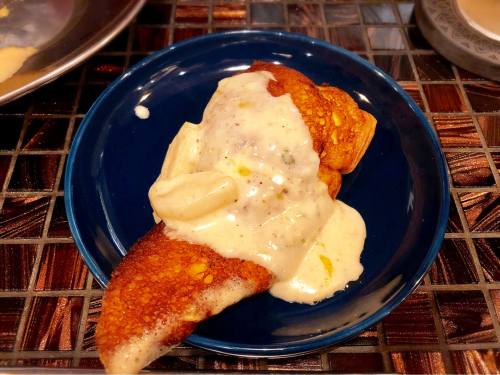
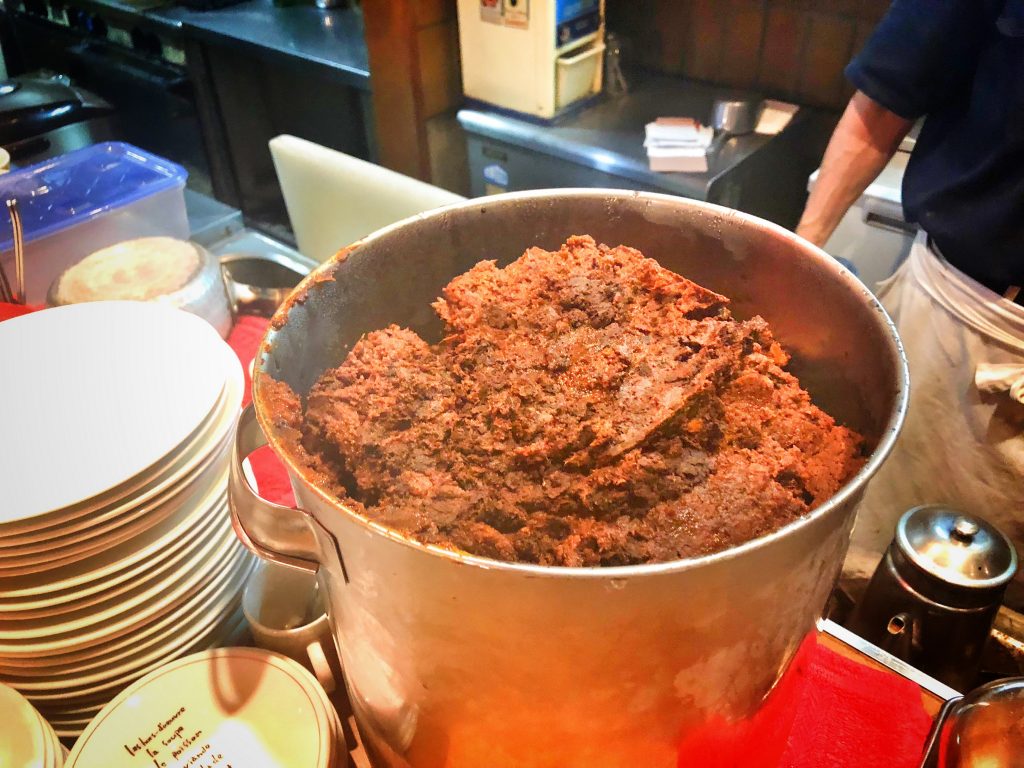
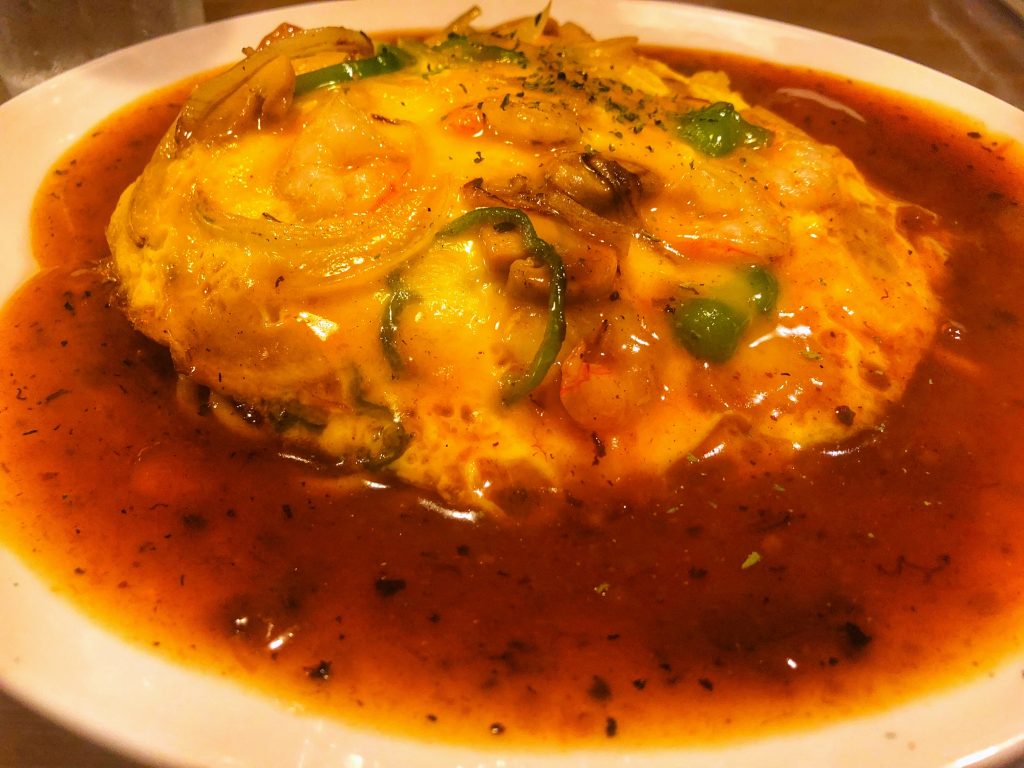
What is Ankake? Unlike other usual sauces in spaghetti, ankake was very new for me. It is a sticky and a little bit spicy sauce with unique toppings like pork and egg, omelet, pork cullet (ton katsu), pork steak, shrimps, and vegetables. This sticky sauce looks like Chinese dishes sauce. However, according to the chef, this sauce was inspired by western dishes. The chef exclusively told us how to make ankake sauce. They simmer several things such as onion, potato, carrot, tomato, and beef to make the sauce. For the spaghetti, they use special thick pasta for ankake with 2.2mm width.
Personally I like ankake soup. It has spice that makes me want to eat more and more. But it’s mild, not so strong. The toppings give different sensations while eating the pasta. In San Marco, all the topping’s recipes are original. The most favored menus are Pork & Egg topping and Milanese topping (ham, sausage, and vege)
Although ankake soup looks and tastes spicy like Chinese foods, it fit to western people. San Marco was visited by foreigners several times and they really liked the taste of Ankake sauce. Italian people who visited Suzuka Circuit ate Ankake Spaghetti in San Marco and they liked it. San Marco is really welcoming to foreigners in Mie to embrace the ankake taste for all people. This is really impressive.
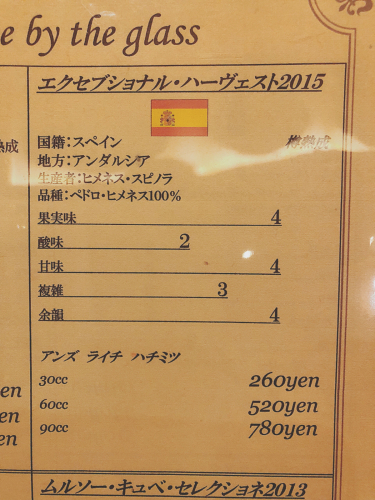
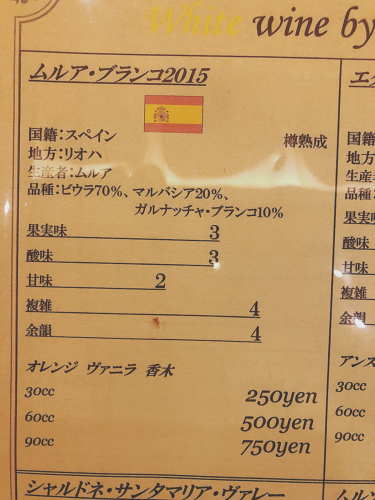
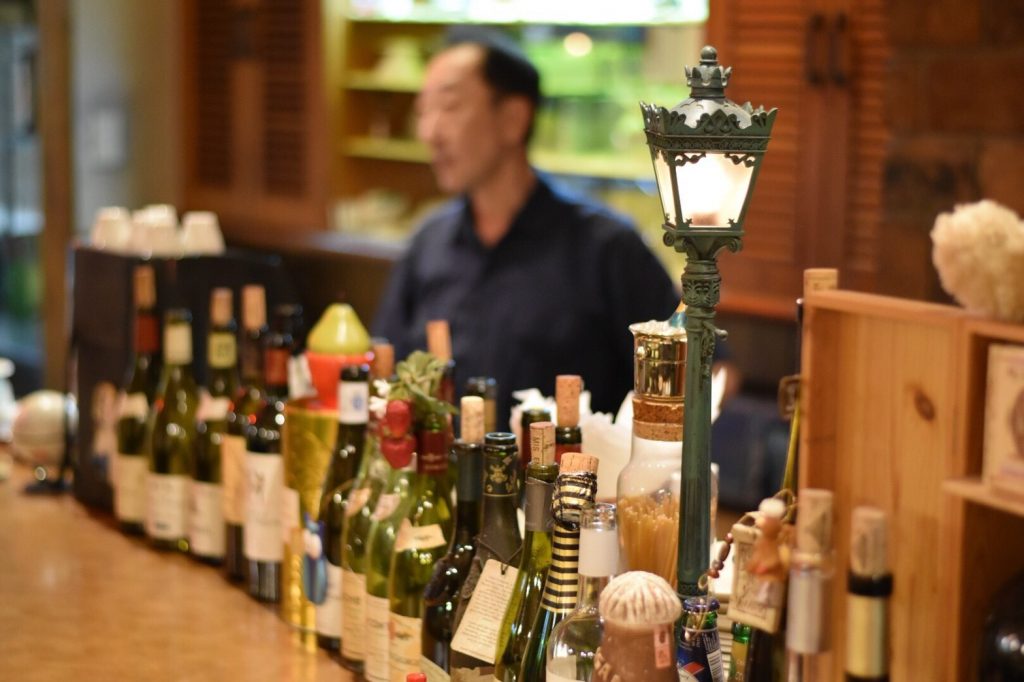
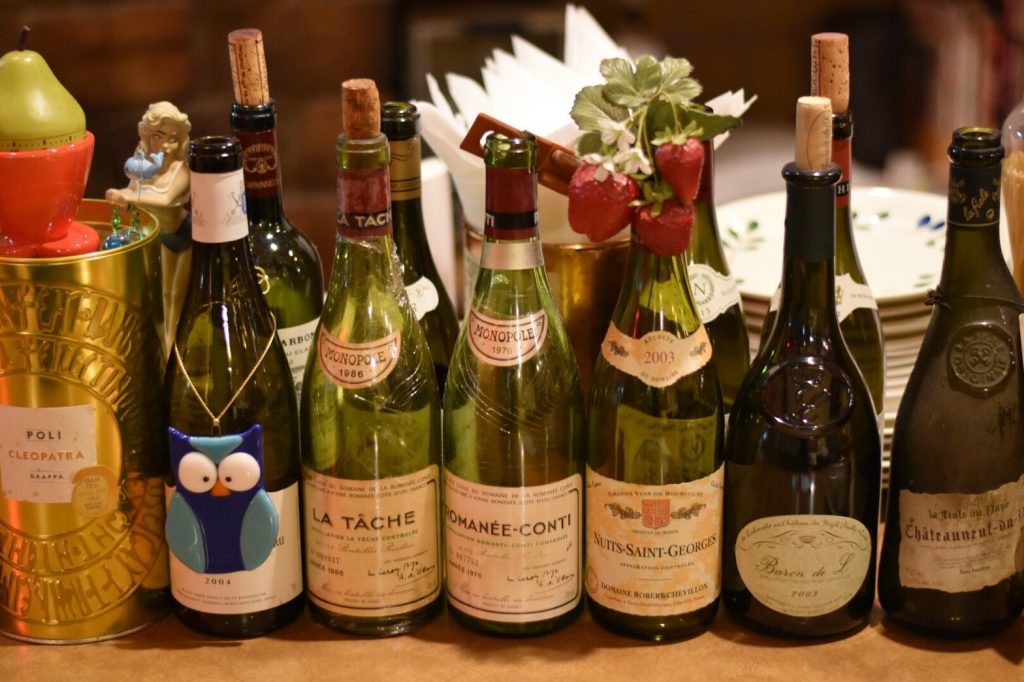
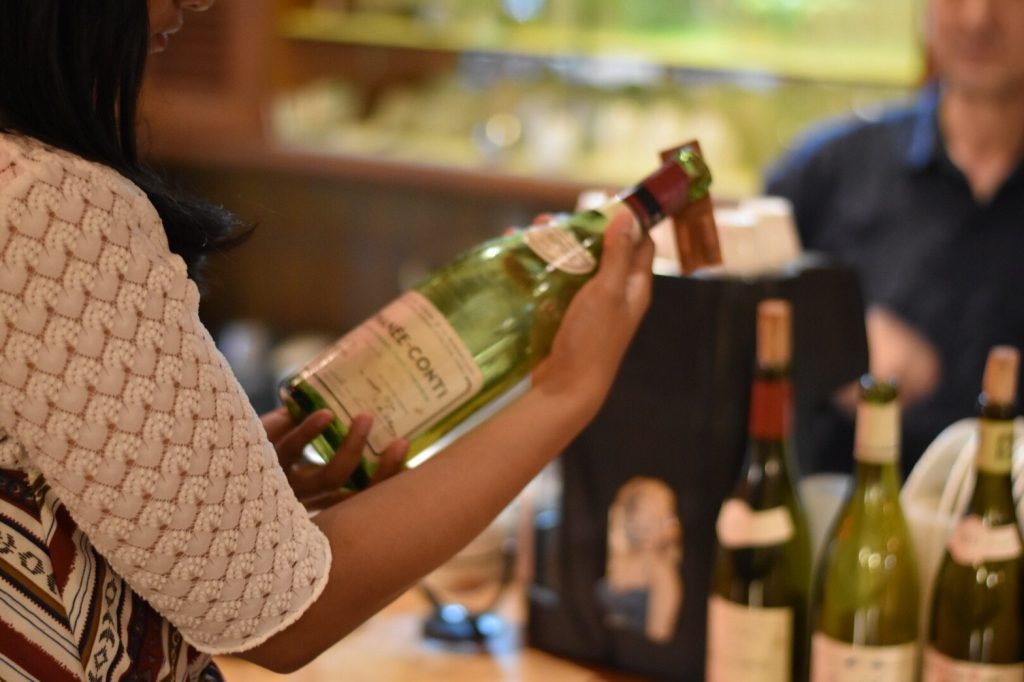
Having lunch or dinner in San Marco can give us a nice mood. The restaurant is so cute and classy. There were several wine bottles decorated the room. The wine bottles and other decorations gave a nuance of western restaurants; it feels like we’re not in Tsu City for a short time. The wine bottles were the collection of the owners. They even had the most expensive wine in the world. That sounds really fancy.
<英語>
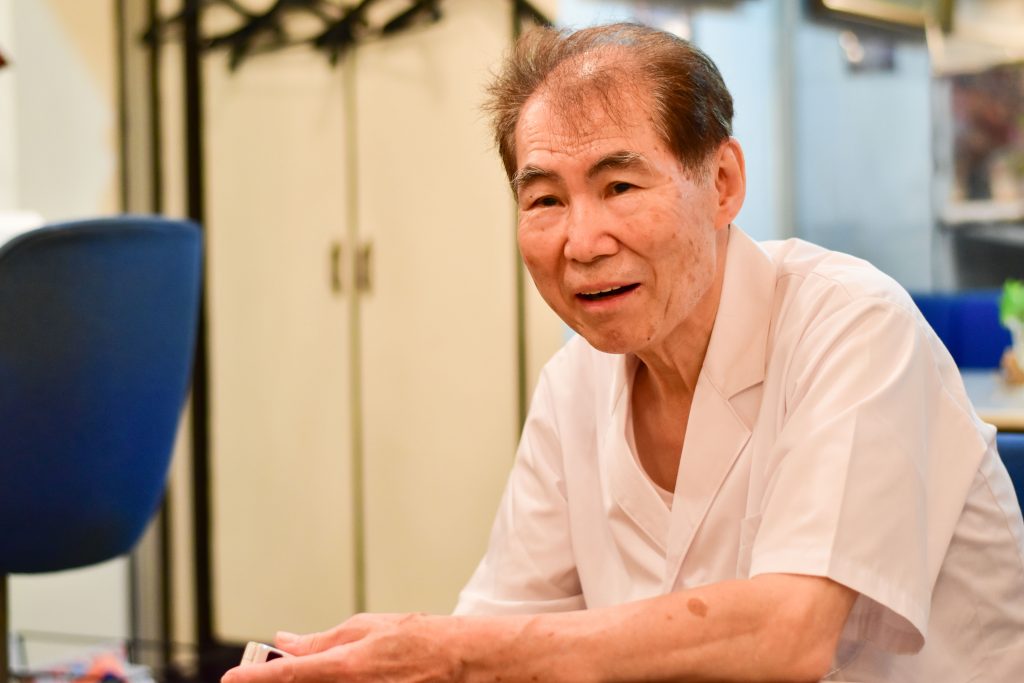
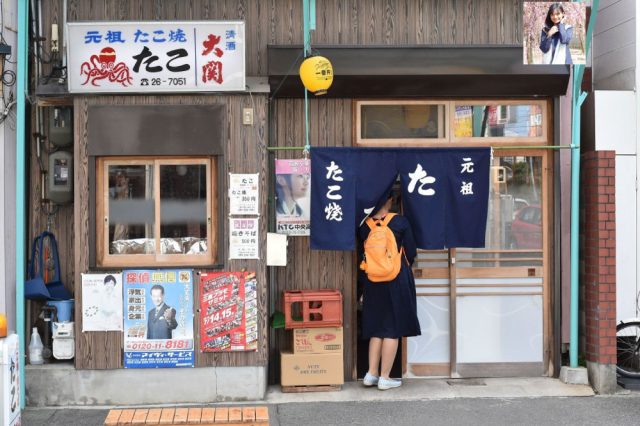
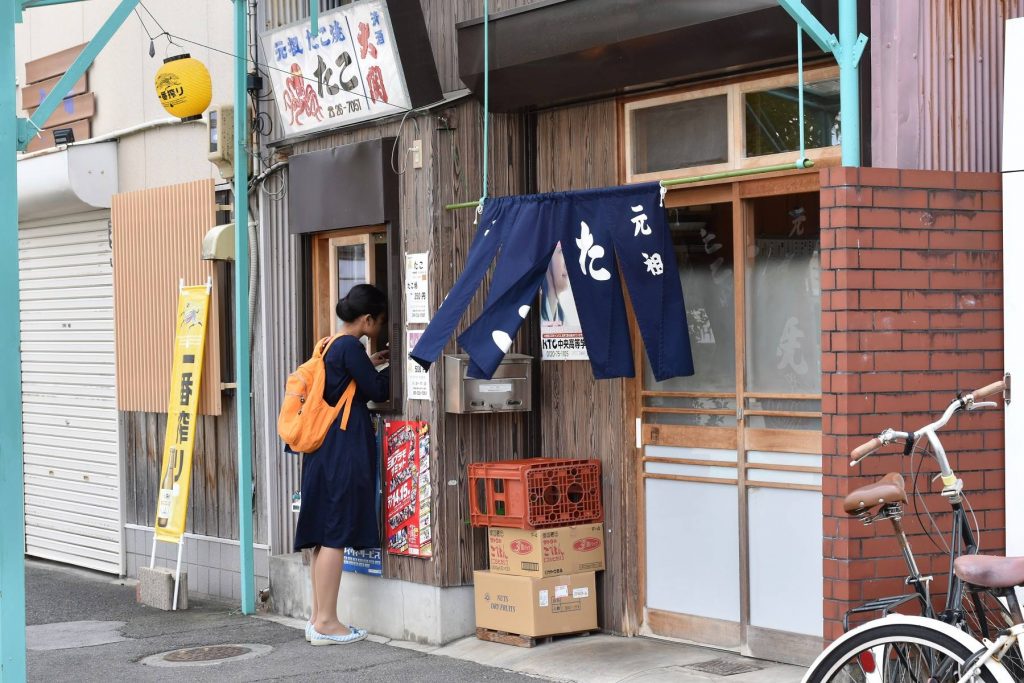
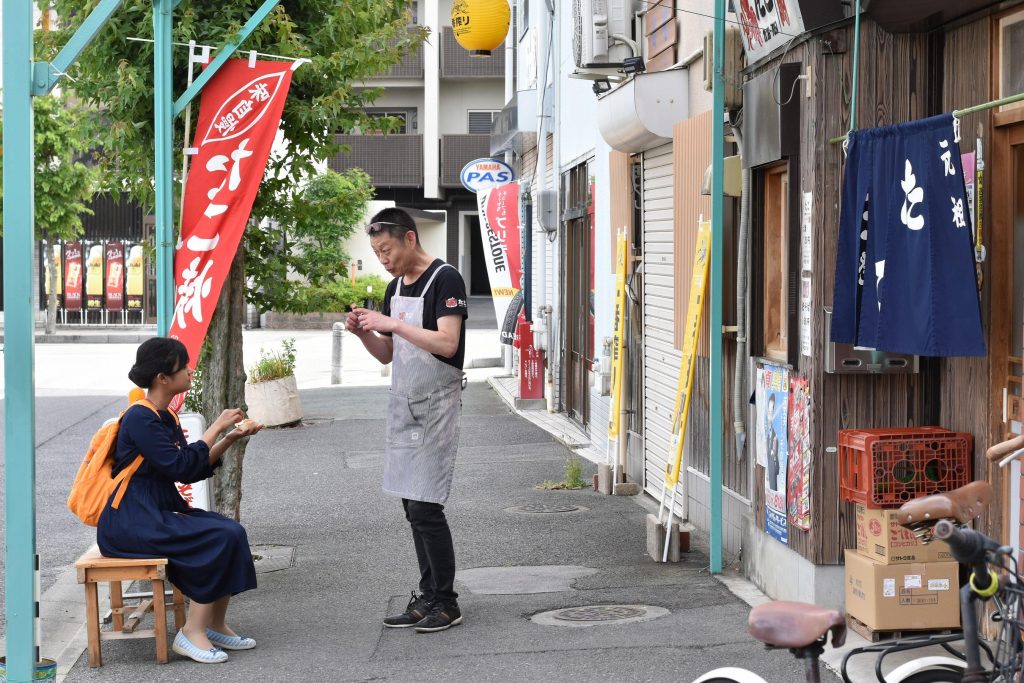
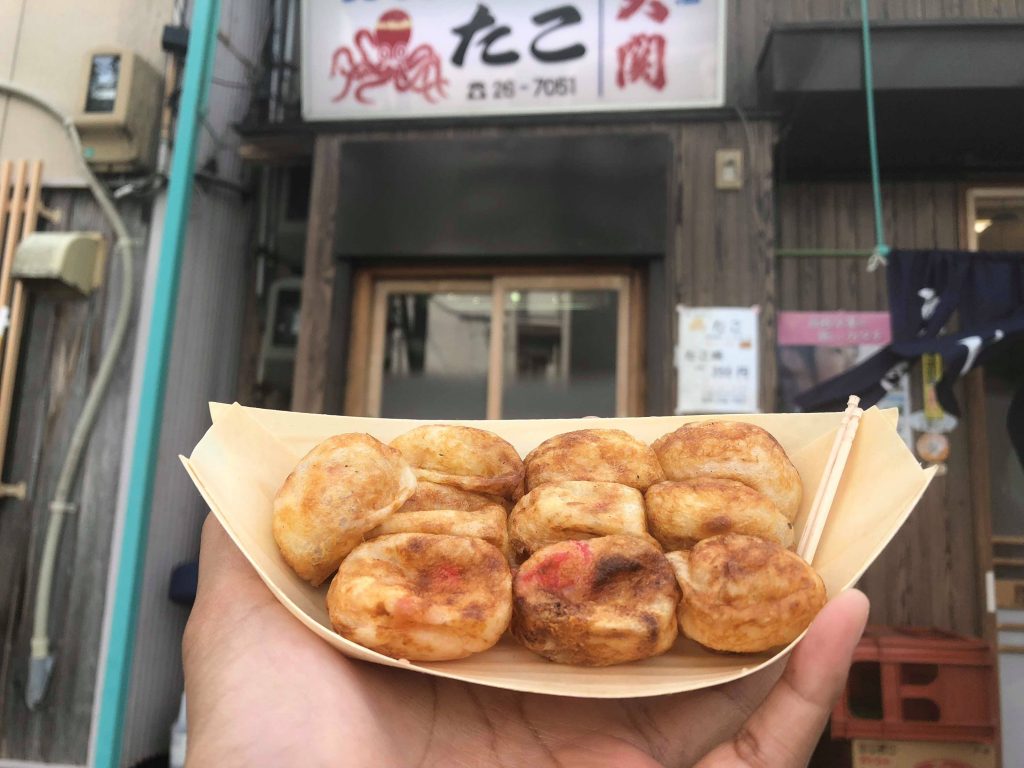
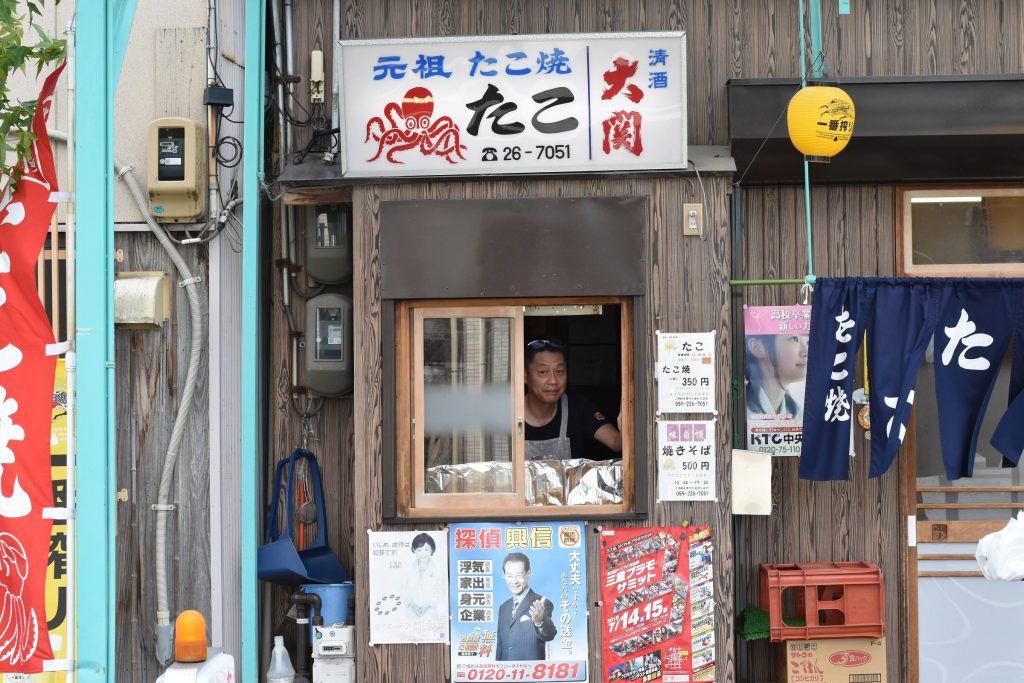
This is known as a legendary takoyaki shop in Tsu. Located in Tsushinmachi, we can reach this Takoyaki shop only by 2 minutes walking from Tsushinmachi Station, and about 30-40 minutes by bicycle from Mie University. As simple as the name “Tako”, this takoyaki shop serves simple kind of takoyaki that everyone will like to eat. Has been serving Takoyaki since 1955, this shop was known as the consistent Takoyaki without any toppings or other flavors. It only uses Tako (octopus), egg, ginger, and tako dashi.
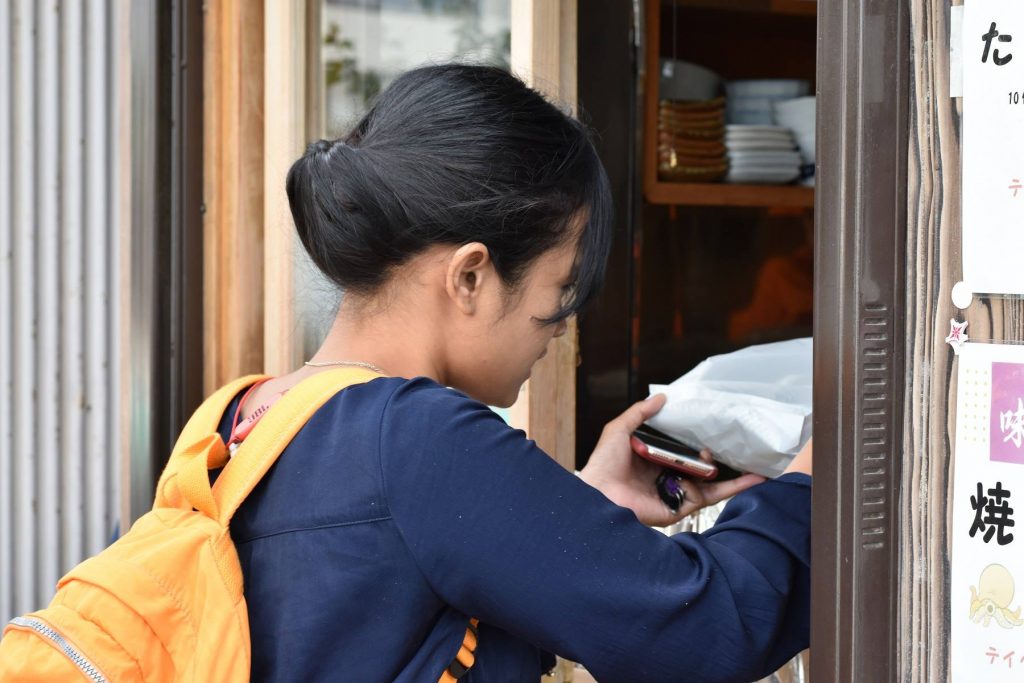
This shop is also cute. Although the taste is simple, the mini takoyaki balls have had loyal costumer already. The price is surprisingly cheap. Buy 350 JPY, we can get a pack consisted by 10 takoyaki balls. It is served using newspaper which makes it cuter and also gives “vintage” or “classic” feeling. Customer can enjoy eating takoyaki inside or outside the shop. There’s a park right beside the shop. Some people prefer to buy takoyaki then enjoy them in the park.
That was my first time eating in Tako. I met the owner and talked with him for a while. I get used to eating takoyaki and have been eating several kinds of takoyaki. I love the taste of Takoyaki and we (Indonesian students in Mie University) had Takoyaki party many time. Takoyaki I ate before usually with some toppings like onion, mayonnaise, Tenkatsu, eggs, etc. So this is very new for me eating simple like this. I like it and I was glad that I could eat the original taste or Takoyaki.
In Indonesia, Takoyaki as Japanese snack or dish has been popular. Some are already familiar with Takoyaki and some people like eating Takoyaki. In Indonesia Takoyaki has been served by Japanese food restaurants and even some food trucks. Of course the taste is quite different with the original in Japan due to the lack of original ingredients, but overall people like it. Takoyaki in Indonesia is also served with toppings and some variety flavors, like using small eggs, pieces of sausage, chicken, etc. instead of Tako. That’s why when I showed Takoyaki from Tako to my friends, they were surprised; they also never saw simple takoyaki like that.
Eating Takoyaki in Tako gave me new experience of eating Japanese dish. This shop is not only serving Takoyaki, but also Yakisoba and other dishes inside the shop. Working people like coming to enjoy snacking and drinking inside. This shop is open from 13:00 in afternoon.



















































































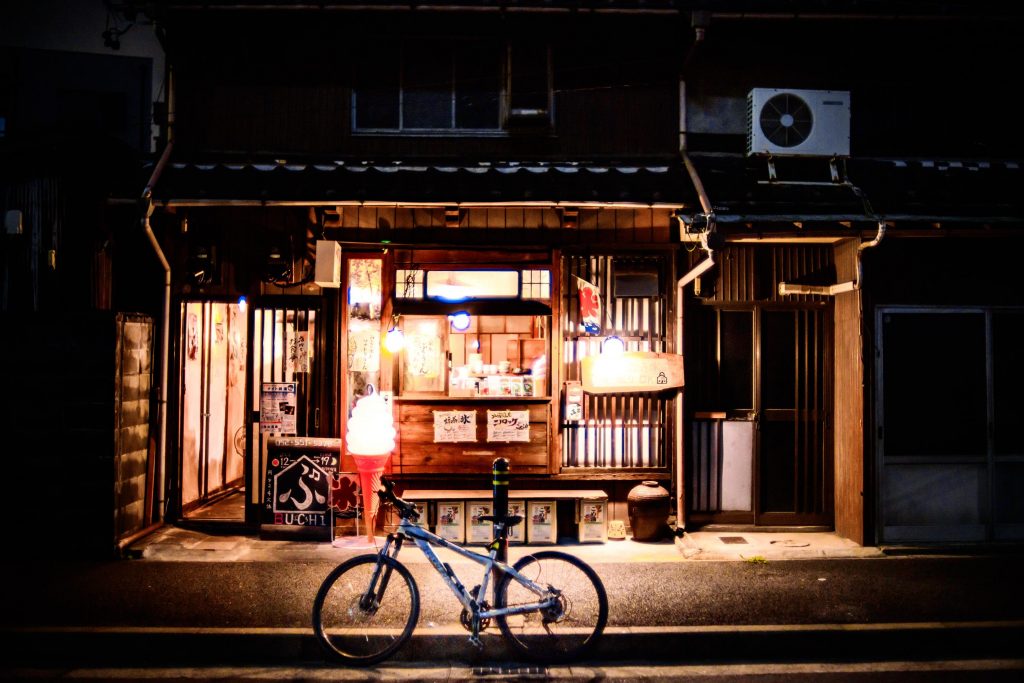
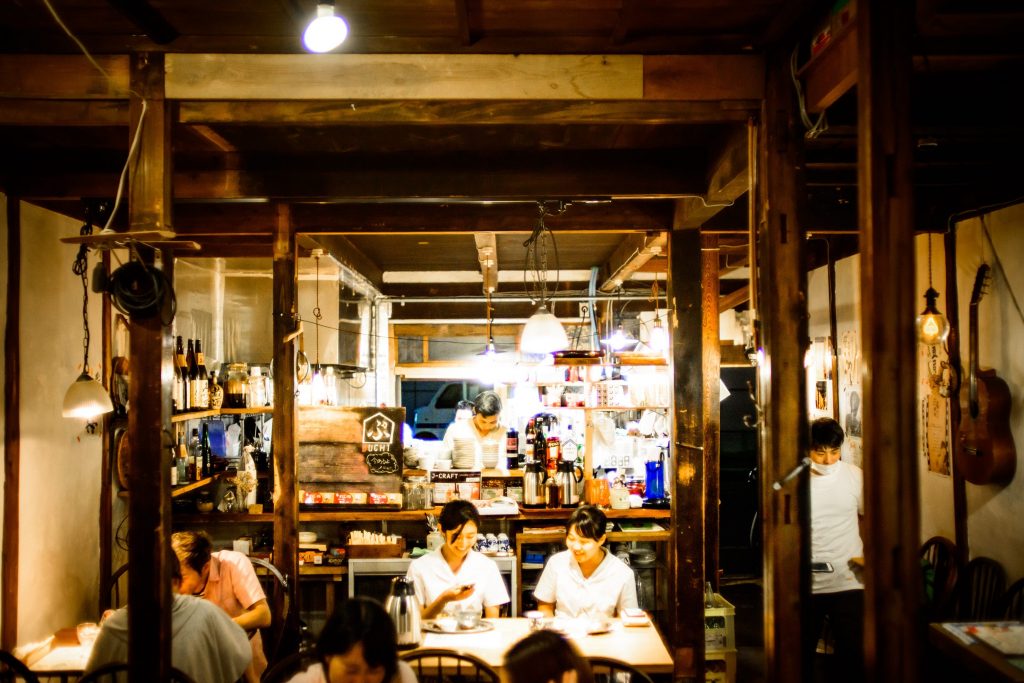
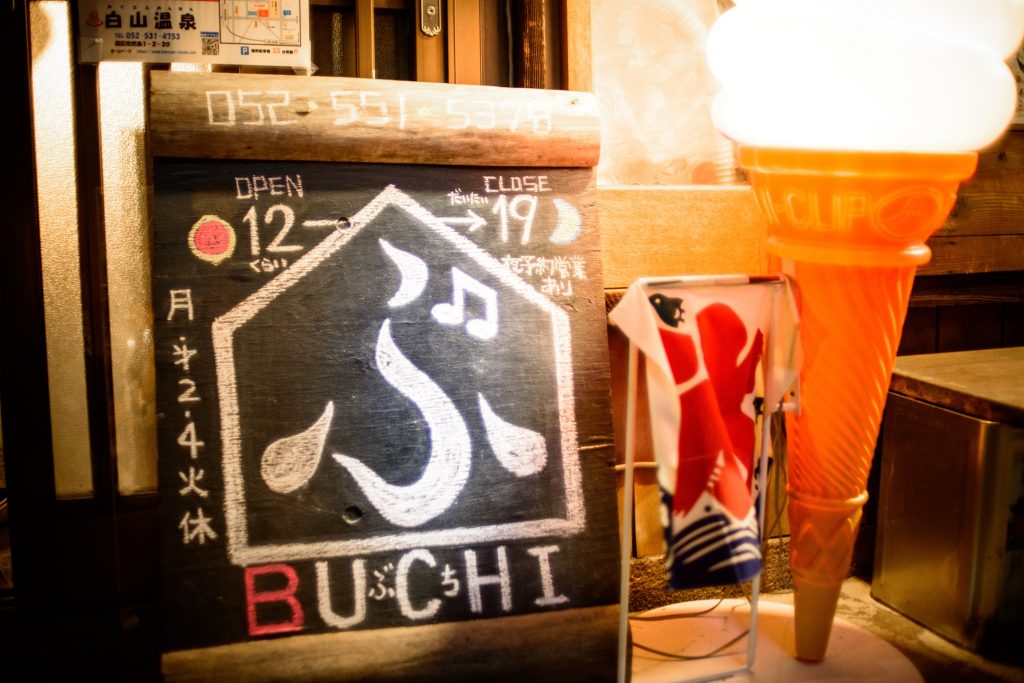
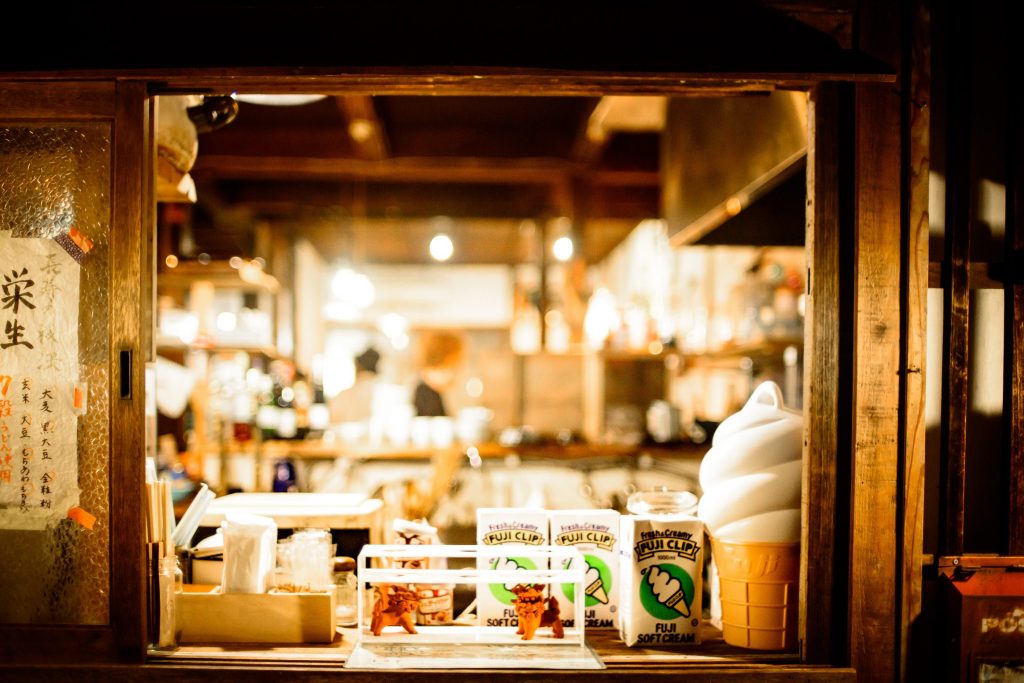
















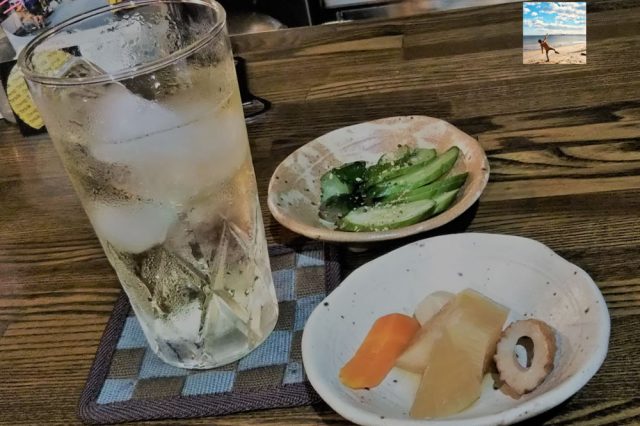
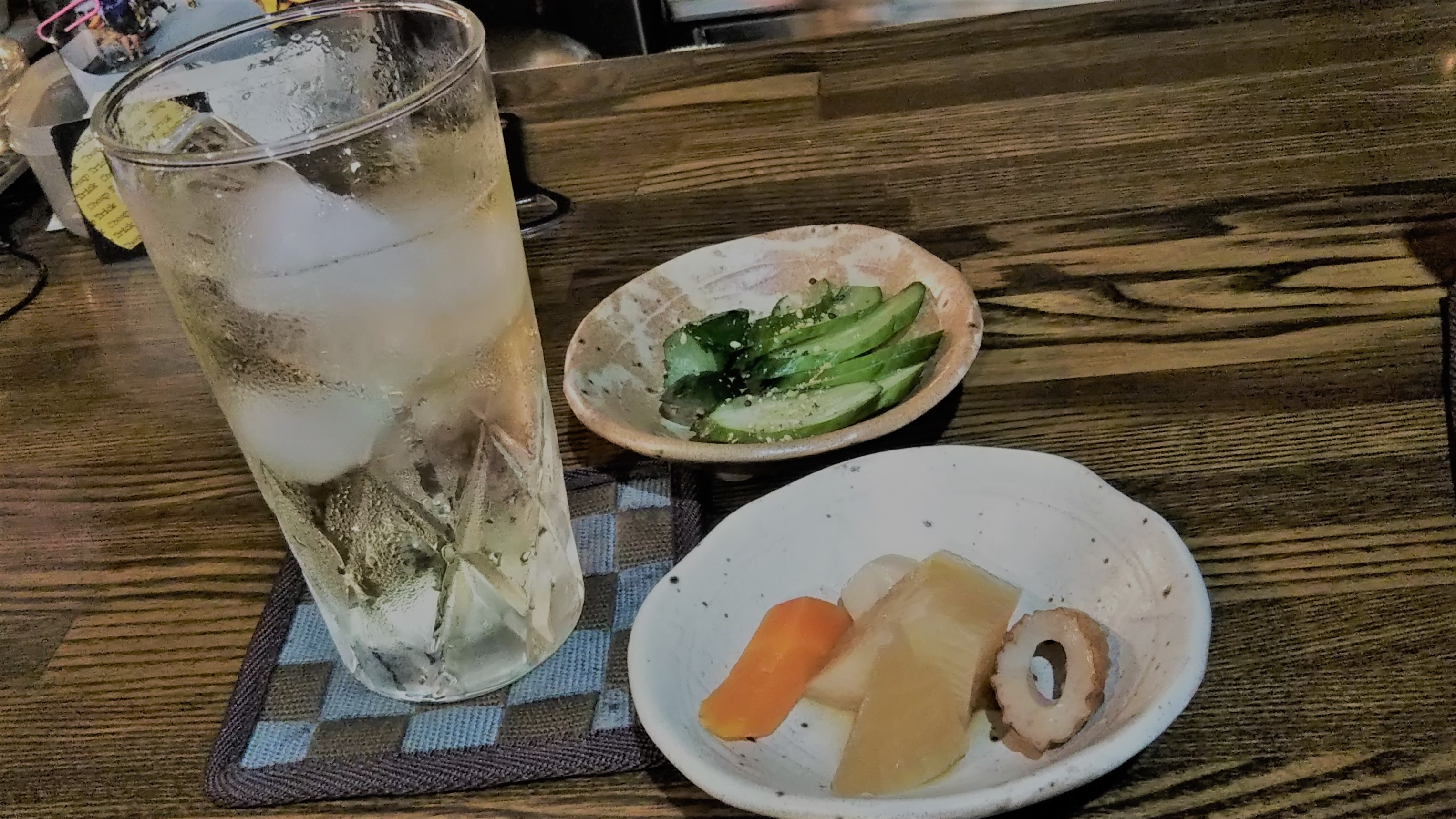












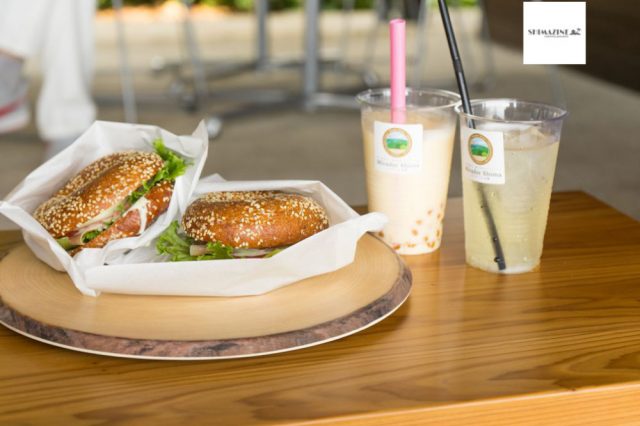

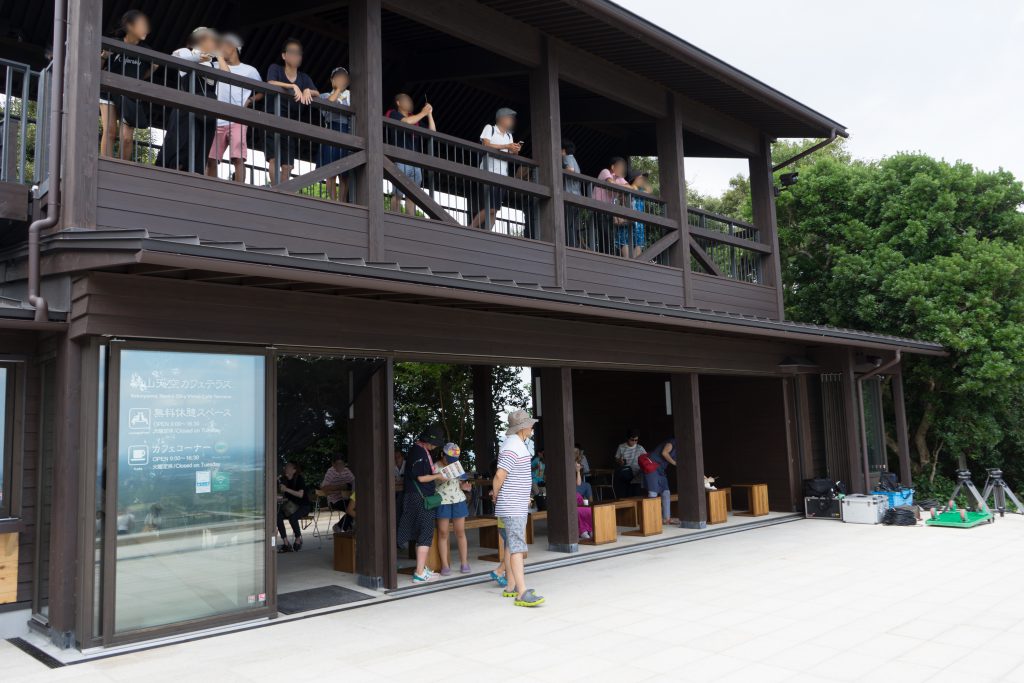
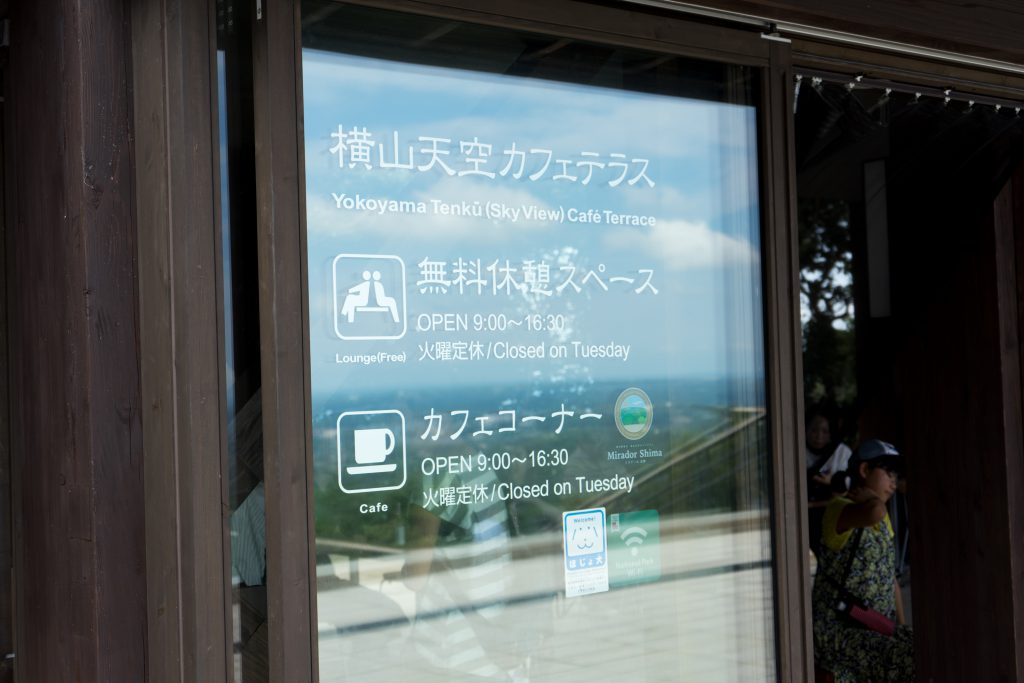
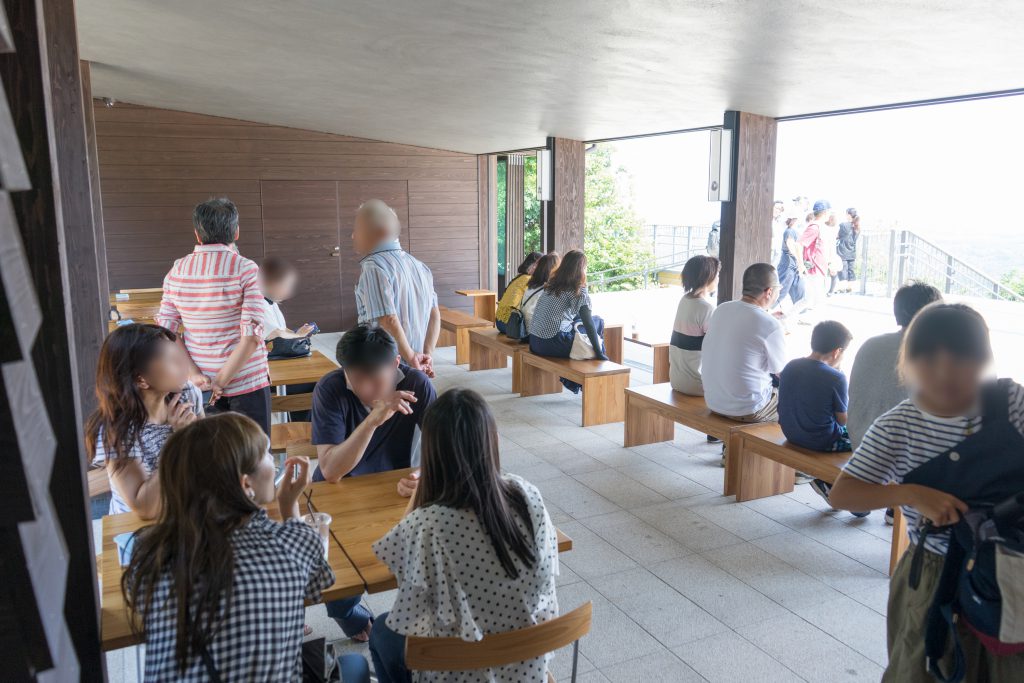
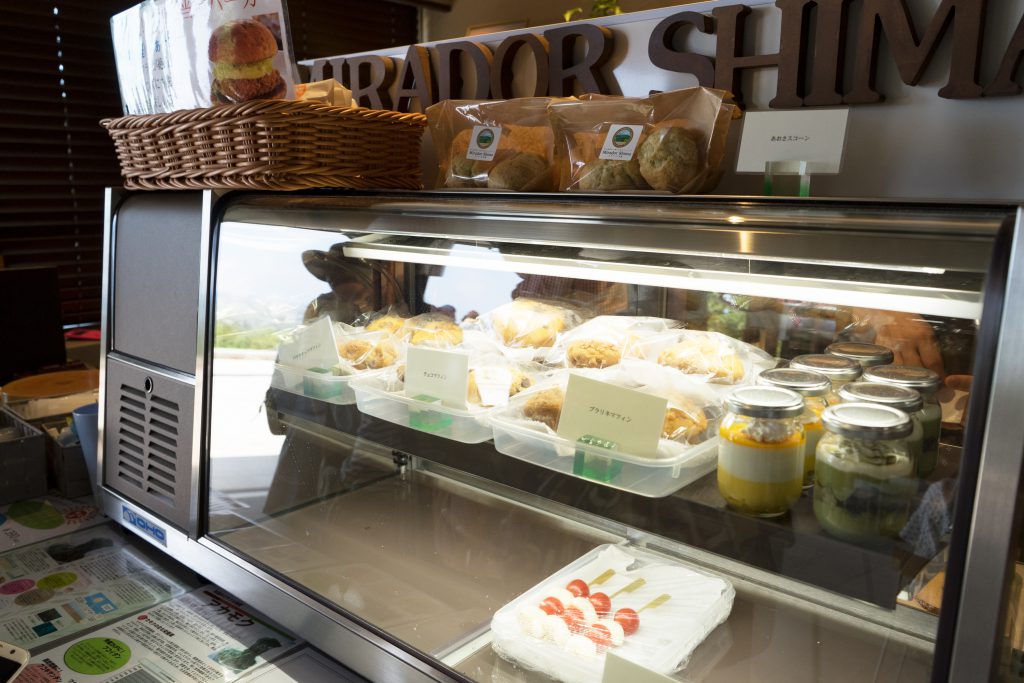
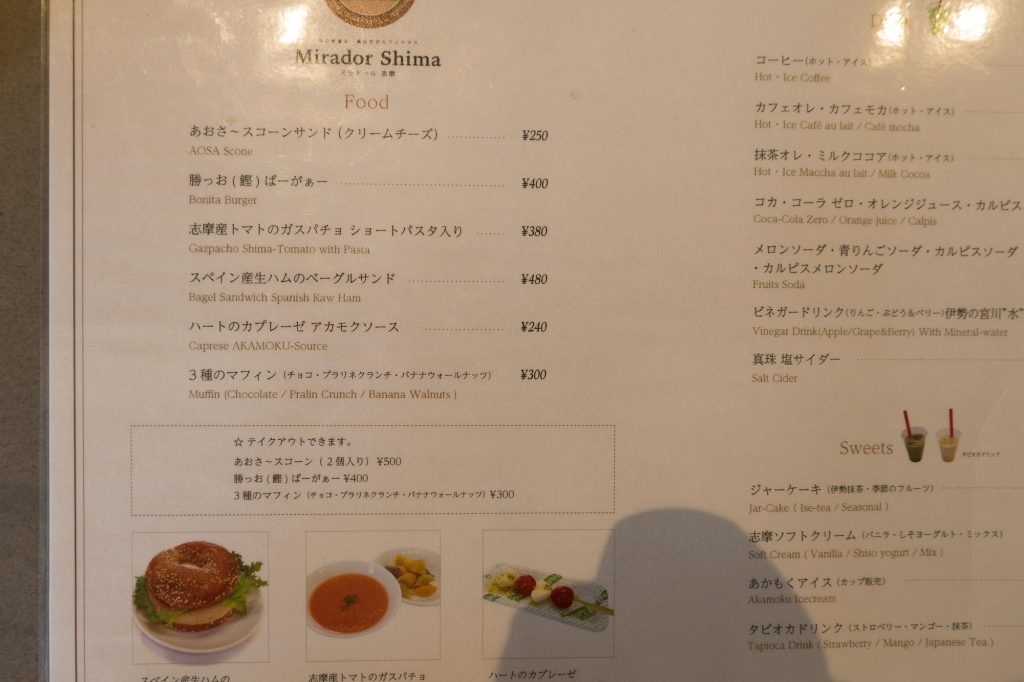
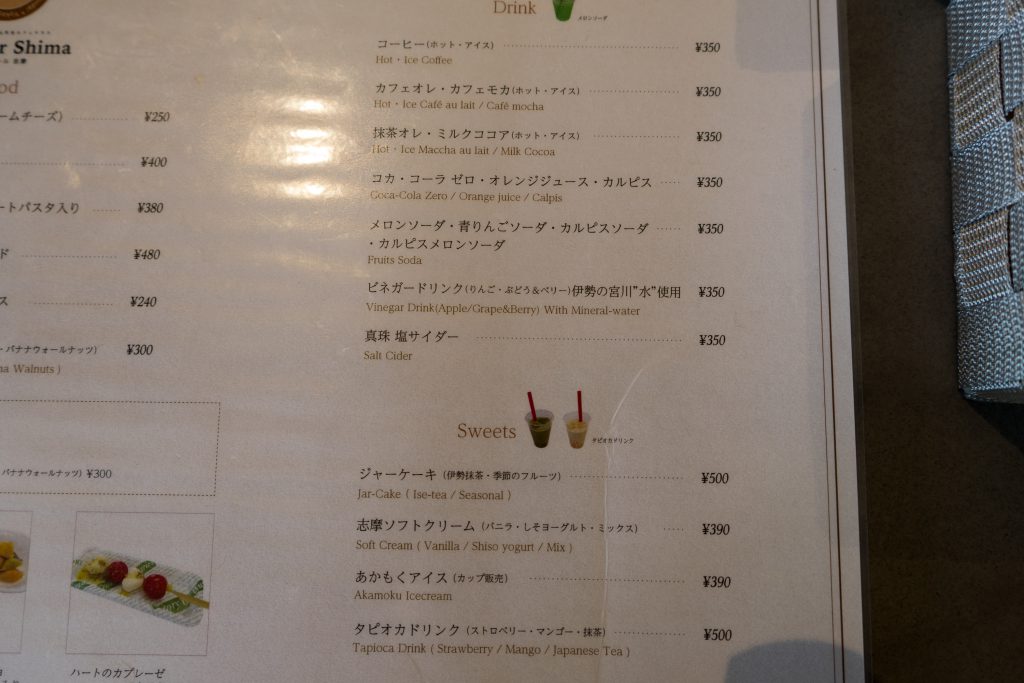
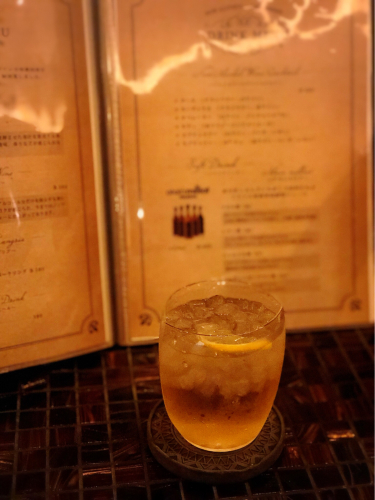
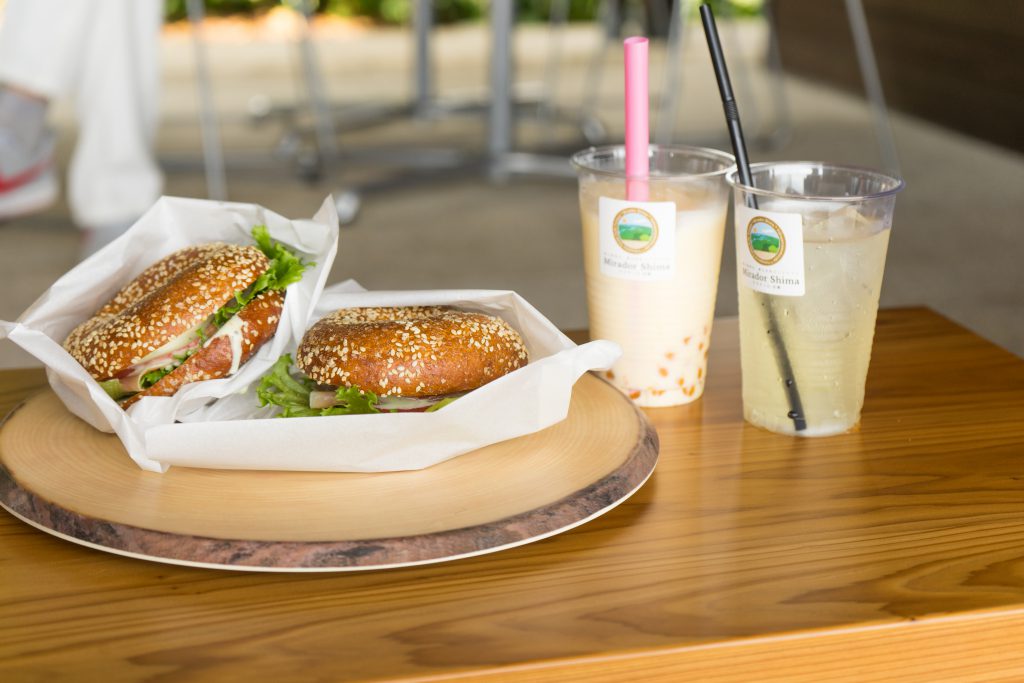 ビネガードリンクのお酢の風味も控えめでりんごの味と合わさって飲みやすい!(通常のビネガードリンクと比較)タピオカドリンクも甘さ控えめで、これなら歩きで登って来た人にもちょうどいいですね。